



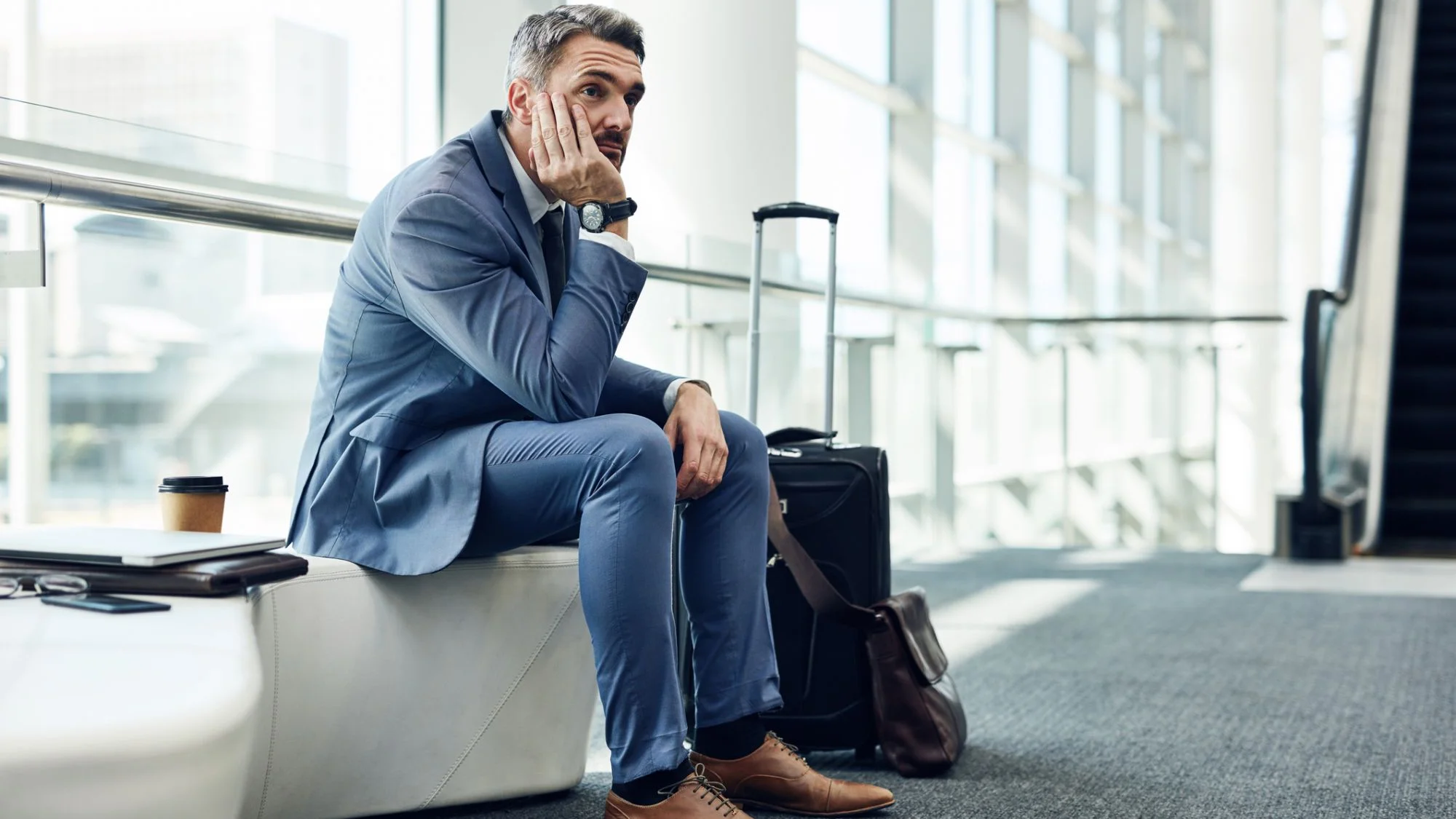
Hey there, fellow road warrior. I’ve been hopping on planes and trains for business for over a decade now, ever since my first gig as a sales rep fresh out of college. Back then, I thought packing a suit and showing up on time was enough. Boy, was I wrong. My second trip to Chicago taught me that the hard way – I showed up to a client dinner in wrinkled clothes, jet-lagged and fumbling small talk about politics. The awkward silence that followed? Let’s just say it nearly tanked the deal. But here’s the good news: business travel doesn’t have to be a minefield of mishaps. With some smart habits, you can dodge those cringeworthy moments and actually enjoy the ride. In this guide, I’ll share six key tips drawn from my stumbles and successes, plus a few extras to keep things smooth. Whether you’re a newbie or a seasoned traveler, these will help you stay professional, productive, and poised.
Tip 1: Master Your Packing Game to Sidestep Wardrobe Woes
Picture this: You’re at the airport, realizing your only blazer is stuffed in a checked bag that’s vanished into the ether. Or worse, you arrive at a meeting looking like you slept in your outfit – because you did, thanks to a red-eye flight. I’ve been there, scrambling for a last-minute store run before a pitch, which only amps up the stress. Smart packing isn’t just about fitting everything in; it’s about avoiding those “oh no” moments that make you look unprepared.
The key is to pack light and versatile. Stick to a carry-on only if possible – it cuts down on lost luggage drama and saves time at baggage claim. Focus on wrinkle-resistant fabrics like merino wool blends or travel suits that don’t need ironing. Roll your clothes instead of folding to save space and reduce creases. And always include backups: an extra shirt, underwear, and toiletries in your personal item. This way, even if delays hit, you’re ready to roll without that disheveled vibe.
From my experience, overpacking is the silent killer of smooth trips. I once lugged three suits for a two-day conference, only to wear the same one twice. Lesson learned: Mix and match neutrals with one pop of color for personality. Tools like packing cubes keep things organized, too. You’ll thank yourself when you breeze through security feeling put-together.
Tip 2: Research Local Customs Before You Land in Hot Water
I remember my trip to Japan like it was yesterday. Excited for a big client meet, I went in for a hearty handshake – only to get a puzzled look and a slight bow instead. Turns out, in many Asian cultures, physical contact like that can come off as too forward. The meeting went okay, but that initial fumble set an awkward tone. Cultural missteps aren’t just embarrassing; they can signal disrespect, which no one wants in business.
Start by digging into your destination’s norms a week before departure. What’s the standard greeting? In Germany, a firm handshake and direct eye contact scream professionalism, while in Brazil, a warm hug might be the norm. Check business hours, too – siestas in Spain mean no 2 p.m. calls. Apps like Culture Trip or books on international etiquette are goldmines for this. And don’t forget dress codes: Conservative suits in the Middle East, business casual in tech hubs like Silicon Valley.
Humor me here – ignorance isn’t bliss; it’s a fast track to faux pas. On that Japan trip, I later bonded with the client over shared laughs about my blunder after learning proper bowing etiquette. Preparation builds bridges, not barriers. It shows you value their world, turning potential awkwardness into authentic connections.
Tip 3: Prioritize Punctuality to Keep Things on Track
Nothing kills a first impression faster than strolling into a meeting 10 minutes late, coffee in hand, with a half-baked excuse about traffic. I’ve pulled this stunt exactly once – a delayed flight to New York turned into me rushing into a boardroom looking flustered. The clients were polite, but the vibe shifted from confident to chaotic. In business travel, time is currency, and lateness screams unreliability.
Build in buffers everywhere. Aim to arrive 15-20 minutes early for flights, meetings, and even hotel check-ins. Use apps like Google Maps or Waze for real-time traffic, and always confirm transport options ahead. International trips? Factor in time zones with tools like World Time Buddy to avoid calling at odd hours. If delays happen, communicate immediately – a quick text or email goes miles.
From the pros I’ve networked with, punctuality isn’t just polite; it’s powerful. One exec told me over drinks how showing up early once led to an impromptu chat that sealed a partnership. It’s those small wins that avoid the awkward scramble and position you as the pro everyone wants to work with.
Tip 4: Handle Networking and Meals Like a Pro
Business dinners can be goldmines for deals or disasters waiting to happen. Early in my career, I overdid the wine at a team outing in London, sharing one too many “funny” office stories that crossed into TMI territory. The next day? Crickets in emails and side-eyes at breakfast. Mixing food, drinks, and colleagues requires finesse to keep things light and professional.
Know your limits – one drink max if you’re unsure, and match the group’s pace. Research menu etiquette: In France, keep hands visible on the table; in China, let the host pay. Steer conversations to neutral ground like industry trends or travel tales, avoiding politics or personal drama. Follow up with thank-you notes to reinforce bonds.
I’ve seen this tip transform trips. On a recent conference in Dubai, sticking to water and insightful questions turned a stiff networking event into lasting contacts. It’s about balance: Engage without oversharing, eat without slurping, and exit gracefully. No one remembers the bland; they remember the awkward.
Tip 5: Stay Secure and Healthy on the Go
Ever arrived at a hotel only to realize your laptop’s unsecured Wi-Fi exposed company data? Or pushed through exhaustion, powering a presentation with a foggy brain? I learned the hard way in Mexico City – ignored jet lag, skipped water, and ended up with a stomach bug that sidelined me for a day. Health and security lapses aren’t just personal; they risk your team’s trust and the trip’s success.
Pack essentials: Hand sanitizer, masks, meds, and a portable charger. Use VPNs for public networks and enable two-factor authentication. Hydrate like it’s your job – airplane air is dry as a desert. For health, adjust sleep pre-trip with apps like Timeshifter, and sneak in walks or hotel gym sessions to combat sedentary flights.
Professionals swear by this for sustainability. A colleague once avoided a cyber scare by using a hotspot instead of hotel Wi-Fi, saving the day. Prioritizing your well-being keeps awkward sick days or data breaches at bay, letting you focus on winning.
Tip 6: Know and Stick to Company Policies from Day One
Ignoring the fine print on expenses or gifts can turn a smooth trip sour fast. I once expensed a fancy client lunch without checking limits, only to have HR flag it during reimbursement. Cue the awkward follow-up call and a dent in my rep. Policies exist to protect everyone, and flouting them invites scrutiny.
Review your company’s travel guidelines before booking – approved airlines, per diems, gift rules. Track everything with apps like Expensify for seamless reports. For international jaunts, note visa needs or currency rules to avoid border hassles.
This one’s a game-changer for trust. Sticking to rules shows integrity, preventing those ill-advised splurges that lead to regrets. As one mentor put it, “Policies are your safety net – ignore them, and you’re flying solo.”
Pros and Cons of Carry-On Only Packing
| Aspect | Pros | Cons |
|---|---|---|
| Convenience | Quick through airports; no baggage wait | Limited space for bulkier items like extra shoes |
| Cost | Avoids checked bag fees (up to $30+ per flight) | May need to buy adapters or toiletries abroad |
| Reliability | Less risk of lost luggage | Overhead space can fill up on full flights |
| Style | Forces versatile outfits, reducing wrinkles | Tough for long trips without laundry access |
Switching to carry-on transformed my routine – lighter load, sharper focus.
Comparison: Business vs. Leisure Travel Etiquette
- Dress Code: Business demands suits or smart casual; leisure is comfy jeans. Mismatch in business? Instant awkwardness.
- Timing: Punctuality is non-negotiable for meetings; leisure allows flexibility.
- Networking: Every chat counts in business; leisure is pure relaxation.
- Expenses: Track receipts religiously for work; leisure is personal spend.
Blending the two? Add a leisure day, but keep etiquette pro.
People Also Ask
What are some essential business travel tips for beginners?
New to the game? Start simple: Book flights early for better rates, pack light with versatile clothes, and always have a backup plan for delays. Enroll in TSA PreCheck to zip through security – it saved me hours on my first cross-country trip. Stay hydrated and get sleep; jet lag hits harder when you’re green. Finally, network intentionally but authentically – a quick coffee chat can open doors.
How can I avoid jet lag on business trips?
Adjust your watch to destination time as soon as you board, and align sleep accordingly. I swear by melatonin and avoiding caffeine post-noon. Expose yourself to natural light upon arrival, and eat light meals. Apps like Entrain personalize plans based on your route. From experience, powering through the first day with a walk beats napping and crashing later.
What should I pack for a business trip?
Essentials: Passport/ID, charger, noise-canceling headphones, and a portable power bank. Business attire in neutrals, plus comfy travel clothes. Don’t forget adapters for international plugs and a reusable water bottle. I always toss in protein bars for those skipped meals. Tailor to your destination – layers for variable weather keep you polished.
How do I handle expenses on business travel?
Use a dedicated company card and snap photos of receipts immediately. Apps like Concur streamline submissions. Know per diem limits to avoid reimbursement headaches – I learned that after an overage incident. Track incidentals like taxis separately. For international, note currency conversions to prevent surprises.
What’s the best way to network during business travel?
Be genuine: Ask questions about their work, not just pitch yours. Attend after-hours events but set boundaries – one drink, meaningful chats. Follow up within 24 hours via LinkedIn. My breakthrough came from a airport lounge convo; it led to a collaboration. Remember, listening trumps talking every time.
FAQ
How do I prepare for cultural differences in business travel?
Research greetings, dress, and taboos specific to your spot – like no pointing feet in Thailand. Practice phrases in the local language for rapport. I’ve found observing first helps; mimic subtly without overdoing it. This avoids offenses and builds respect.
What if my flight gets delayed during a business trip?
Stay calm: Use airline apps for updates and rebook options. Head to the gate agent early for priority. Have offline work ready, like downloaded docs. Once, a storm grounded me in Atlanta; notifying my team ASAP turned frustration into flexibility.
Are there tools to make business travel easier?
Absolutely – TripIt for itineraries, Expensify for receipts, and VPNs like ExpressVPN for secure Wi-Fi. Noise-canceling headphones (Bose are my go-to) block chaos. For navigation, Google Maps offline mode is clutch. These cut stress and boost efficiency.
How can I balance work and rest on trips?
Schedule downtime: A 30-minute walk post-meeting recharges you. Set phone boundaries after hours. I block “me time” in my calendar like any appointment. It prevents burnout and keeps you sharp for big moments.
What’s the biggest mistake in business travel etiquette?
Over-sharing personal stories too soon. Keep it professional until rapport builds. I once dove into family woes at dinner; it shifted focus from business. Gauge the vibe and steer to shared interests instead.
There you have it – your roadmap to awkward-free business adventures. I’ve turned my mishaps into these habits, and they’ve paid off in smoother sails and stronger ties. Next time you’re wheels-up, remember: It’s not just about the destination; it’s about arriving as your best self. Safe travels!