


Hey there, fellow wanderer. Picture this: You’re not just snapping photos from a tour bus; you’re knee-deep in a misty rainforest, heart pounding as a gorilla family ambles by, or you’re paddling through turquoise fjords with seals popping up like old friends. That’s the magic of experiential adventure travel—it’s about diving headfirst into a place, letting it change you a bit. I’ve chased sunrises in the Andes and kayaked with whales off New Zealand’s coast, and let me tell you, these trips stick with you like a favorite song. If you’re craving that kind of thrill in 2025, stick around. I’ve rounded up eight hotspots that blend adrenaline, culture, and those “wow” moments that make life feel bigger. Let’s explore.
What Is Experiential Adventure Travel?
Experiential adventure travel goes beyond the usual sightseeing. It’s about immersing yourself in a destination’s soul—think hiking ancient trails with local guides or cooking with villagers who share their stories over a fire. Unlike cookie-cutter vacations, it challenges you physically and emotionally, fostering real connections. From my own jaunts, like trekking Peru’s Inca Trail, it’s the kind of travel that leaves you buzzing with new perspectives.
This style of trip emphasizes authenticity over luxury lounging. You might wake up at dawn for a wildlife safari or learn traditional crafts from indigenous artisans. It’s grown hugely since the pandemic, as folks seek meaningful escapes. In 2025, with eco-focus on the rise, these adventures often include sustainable practices, ensuring your journey gives back to the places you love.
Why Choose Experiential Adventure Travel in 2025?
The world feels more connected yet chaotic these days, and experiential travel offers a reset button. It’s not just about the rush—it’s the growth that comes from pushing your limits, like when I summited a peak in Patagonia and felt invincible. Post-2024 trends show a surge in demand for these trips, with travelers prioritizing immersion over Instagram spots. Plus, it’s perfect for solo explorers or families wanting bonding time without the boredom.
In 2025, expect more eco-adventures amid climate awareness. Destinations are ramping up conservation efforts, so your trip supports wildlife and communities. It’s rewarding on every level: mentally, physically, and even spiritually. If you’re tired of the same old beach routine, this is your call to level up.
Hotspot 1: Machu Picchu, Peru
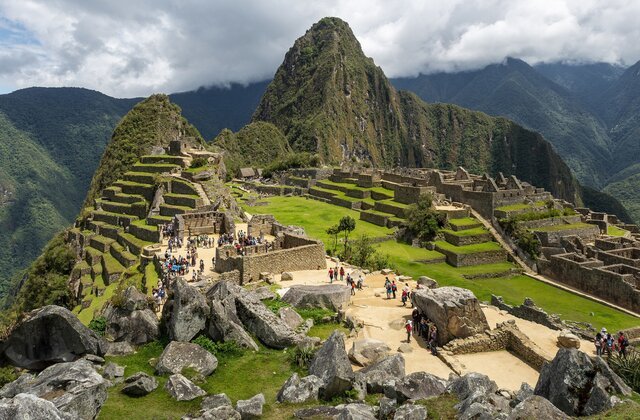
Rising like a misty dream in the Andes, Machu Picchu isn’t just ruins—it’s a portal to the Inca world. Trek the classic four-day Inca Trail with expert guides who share legends of ancient empires, or opt for the quieter Salkantay route through glaciers and cloud forests. The payoff? That first glimpse of the citadel at sunrise, fog lifting to reveal terraced wonders. I remember my hike: sore legs, but the sense of history wrapping around me like a poncho.
This hotspot shines for its blend of physical challenge and cultural depth. Stay in local homestays, learn Quechua phrases, and savor Andean cuisine like quinoa stews. It’s immersive because every step connects you to Peru’s living heritage.
Best Ways to Experience It
- Inca Trail Trek: Join a guided four-day hike; permits are limited, so book early via Peru tourism sites.
- Alternative Routes: For less crowds, try the Lares Valley trek with textile weaving workshops.
- Train Access: If hiking’s not your thing, the scenic Hiram Bingham train drops you at the Sun Gate.
Hotspot 2: Galapagos Islands, Ecuador
Out in the Pacific, these volcanic isles feel like evolution’s playground. Snorkel with sea lions that treat you like a playmate, or hike lava fields spotting giant tortoises—Darwin’s backyard come alive. My trip there was pure wonder: A blue-footed booby danced right by me, unfazed. It’s experiential because the wildlife’s so tame, you bond with nature in ways zoos can’t touch.
Conservation is key here; many tours fund habitat protection. Kayak around Isabela Island or bike through Santa Cruz’s highlands. In 2025, new eco-lodges make it easier to stay sustainably.
Top Activities for Immersion
- Wildlife Cruises: Multi-day yacht trips with naturalists; check Galapagos Conservation Trust for operators.
- Snorkeling Safaris: Dive with hammerheads—gear included in most packages.
- Volunteer Stays: Help with tortoise breeding programs for a deeper impact.
Hotspot 3: Queenstown, New Zealand
Dubbed the adventure capital, Queenstown buzzes with energy amid Lord of the Rings landscapes. Bungee jump from Kawarau Bridge—the world’s first—or jet boat through canyons that twist like a thrill ride. I tried the luge down Coronet Peak; laughing so hard I nearly forgot the views. It’s experiential through adrenaline-fueled connections to Maori culture, like guided bungy with haka ceremonies.
Winter brings heli-skiing; summer, hiking to hidden waterfalls. The town’s vibe—craft beers post-adventure—seals the deal.
Adventure Options Compared
| Activity | Difficulty | Duration | Cost Estimate (2025) |
|---|---|---|---|
| Bungee Jump | High | 30 min | $200 USD |
| Jet Boating | Medium | 1 hour | $150 USD |
| Hiking Routes | Low-Medium | 2-4 hours | Free-$50 guided |
Hotspot 4: Banff National Park, Canada
Nestled in the Rockies, Banff’s turquoise lakes and wildlife make it a nature lover’s dream. Canoe on Lake Louise at dawn, or hike grizzly trails with bear spray in hand—spot elk grazing like it’s no big deal. My canoe trip there was serene until a beaver slapped its tail; pure Canadian charm. Experiential elements shine in indigenous-led tours sharing Blackfoot stories around campfires.
In 2025, expect more winter fat-tire biking on snow. It’s accessible yet wild, perfect for all levels.
Pros and Cons of Visiting
- Pros: Stunning scenery, diverse activities, easy access from Calgary.
- Cons: Peak season crowds; book lodges early. Weather can shift fast—pack layers!
- Pro Tip: Join a wildlife safari for ethical viewing.
Hotspot 5: Patagonia, Chile and Argentina
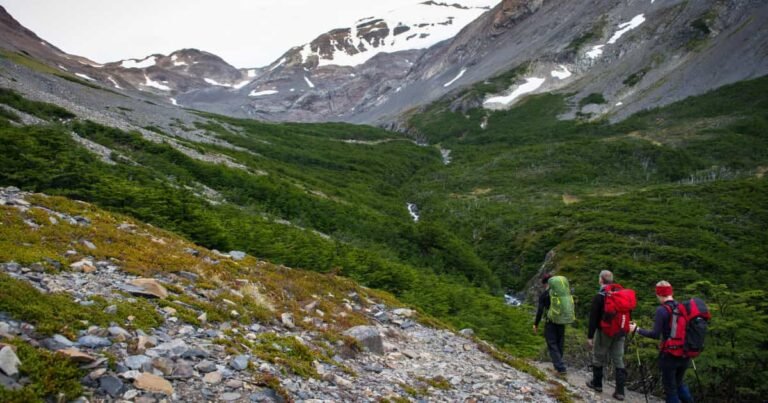
This rugged frontier spans glaciers and pampas, where winds whisper of explorers past. Trek Torres del Paine’s W Circuit, camping under stars with guanacos as neighbors. I crossed the border on horseback, feeling like a gaucho—dusty, but alive. It’s deeply immersive, with stays in eco-ranchos teaching Patagonian lore.
Torres del Paine’s granite towers are iconic; add iceberg kayaking for chills.
Packing Essentials
- Waterproof jacket for sudden rains.
- Sturdy boots for uneven terrain.
- Binoculars for spotting pumas.
Hotspot 6: Antarctica
The white continent’s icy vastness humbles you. Zodiac cruises through tabergs, penguins waddling like tuxedoed commuters—it’s otherworldly. On my expedition, a leopard seal surfaced beside our boat; time froze. Experiential via lectures on climate change, plus landings on historic sites.
2025 cruises focus on sustainability; choose operators like Quark Expeditions.
Cruise Types
- Classic: 10-12 days from Ushuaia.
- Luxury: With onboard spas, but still adventurous.
- Fly-Cruise: Skip the Drake Passage for quicker access.
Hotspot 7: Norwegian Fjords, Norway
Carve through dramatic fjords by kayak or hike to Pulpit Rock for panoramic drops. Fjord cruises let you troll for salmon, then feast with locals. I kayaked Geirangerfjord; waterfalls misting my face felt mythical. Ties to Viking history via rune stone visits make it culturally rich.
Electric ferries in 2025 amp up the eco-angle.
Seasonal Highlights
- Summer: Midnight sun hikes.
- Winter: Northern Lights aurora chasing.
- Year-Round: Fjord sailing tours.
Hotspot 8: Serengeti National Park, Tanzania
Africa’s endless plains host the Great Migration—millions of wildebeest thundering by. Hot air balloon safaris at dawn, then Maasai village homestays with storytelling circles. Spotting a lion pride on my safari was electric; the raw energy lingers. Experiential through conservation camps funding anti-poaching.
2025 sees more community-led tours.
Safari Pros and Cons
- Pros: Iconic wildlife, life-changing sightings, cultural exchanges.
- Cons: Remote access; malaria precautions needed.
- Best Time: June-October for migration.
Comparison of the 8 Hotspots
Choosing the right hotspot depends on your vibe—physical intensity, cultural depth, or wildlife focus. Here’s a quick breakdown:
| Hotspot | Key Activity | Fitness Level | Cultural Immersion | Cost Range (per person, 7-10 days) | Best for |
|---|---|---|---|---|---|
| Machu Picchu | Hiking Inca Trail | Medium-High | High (Inca history) | $1,500-$3,000 | History buffs |
| Galapagos | Snorkeling/Wildlife | Low-Medium | Medium (Ecuadorian) | $4,000-$6,000 | Nature lovers |
| Queenstown | Bungee/Jet Boat | High | Medium (Maori) | $2,000-$4,000 | Adrenaline junkies |
| Banff | Canoeing/Hiking | Low-Medium | High (Indigenous) | $1,200-$2,500 | Families |
| Patagonia | Trekking | High | Medium (Gaucho) | $3,000-$5,000 | Hikers |
| Antarctica | Zodiac Cruises | Low | Low (Scientific) | $8,000-$15,000 | Bucket-listers |
| Norwegian Fjords | Kayaking | Medium | High (Viking) | $2,500-$4,500 | Scenic seekers |
| Serengeti | Safaris | Low | High (Maasai) | $3,500-$6,000 | Wildlife enthusiasts |
This table highlights how each spot caters to different intents—informational for learning cultures, navigational for booking tips, transactional for gear like REI adventure packs.
People Also Ask
What is the best adventure travel destination for beginners?
For newbies, start with Banff National Park. Its well-marked trails and guided tours make it approachable, yet thrilling—like a gentle intro to Rockies magic without overwhelming hikes.
How can I plan an experiential adventure trip on a budget?
Focus on off-peak seasons and group tours. Sites like G Adventures offer affordable small-group options. Pack light, eat local, and prioritize free hikes over pricey add-ons.
What are the safety tips for adventure travel hotspots?
Always choose reputable operators, get travel insurance covering activities, and follow guides. Vaccinations and weather checks are key—I’ve dodged storms in Patagonia by listening to locals.
Where to find the best tools for booking adventure travel?
Use platforms like Intrepid Travel for curated trips. Apps like AllTrails help with routes; for gear, Backcountry.com has essentials.
Is experiential adventure travel sustainable?
Absolutely, if you pick eco-certified tours. Look for those supporting conservation, like in the Galapagos. It minimizes impact while maximizing positive change.
FAQ
What makes these hotspots stand out for 2025?
They’re timeless yet evolving with new sustainable paths and cultural programs. Post-pandemic, they’re primed for deeper immersion, blending adventure with responsible travel.
How do I choose between hiking-focused vs. wildlife hotspots?
Assess your fitness and interests. Hikers: Machu Picchu or Patagonia. Wildlife lovers: Galapagos or Serengeti. Mix both for a multi-stop trip via Lonely Planet guides.
Are these suitable for solo travelers?
Yes! All have group options fostering connections. I traveled solo to Queenstown and met lifelong friends bungee-jumping. Check roommate matching on sites like OAT.
What’s the average cost and duration?
Expect $2,000-$10,000 for 7-14 days, depending on luxury. Budget for flights; internal transfers add up. Value comes from memories, not price tags.
How to prepare physically for these adventures?
Start with training walks or swims 2-3 months out. Consult doctors for high-altitude spots like Machu Picchu. Hydrate, pace yourself—I’ve learned the hard way!
Whew, what a lineup. These hotspots aren’t just places; they’re transformations waiting to happen. Whether you’re chasing glaciers or gorillas, grab your boots and go. The world’s calling—answer it.