


Hey there, fellow wanderer. Picture this: You’re standing at the edge of a misty canyon in Utah, heart pounding as you lace up your hiking boots for the first time on a real trail. The air smells like pine and freedom, and for a moment, the chaos of daily life just… fades. That’s the magic of adventure travel—it’s not just a trip; it’s a reset button for your soul. I’ve chased sunrises in New Zealand’s fjords and paddled through Costa Rica’s wild rivers, and let me tell you, these experiences didn’t just fill my photo album; they reshaped how I see the world. If you’re on the fence about ditching the beach lounger for something more thrilling, stick with me. Adventure travel, with its mix of physical challenges, cultural dives, and nature immersion, offers benefits that go way beyond Instagram likes. From boosting your health to forging unbreakable bonds, here are 10 solid reasons why it’s worth the leap.
Reason 1: Boosts Physical Fitness and Overall Health
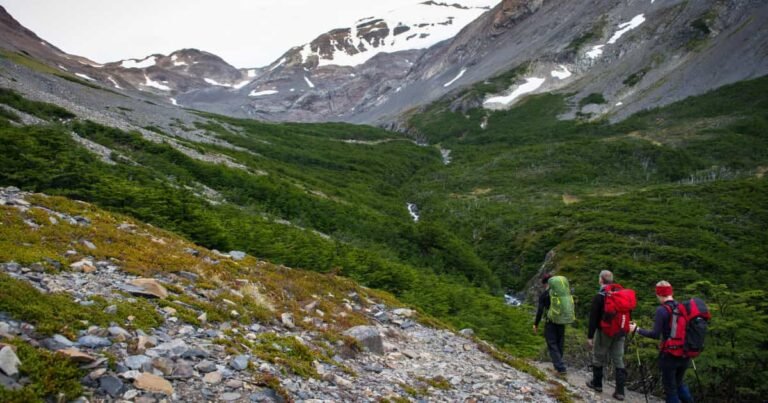
Adventure travel turns you into your own personal trainer, but with way better views. Whether you’re hiking rugged trails or kayaking calm waters turning choppy, these activities demand movement that builds strength, endurance, and flexibility. Studies show that outdoor exertion like this can lower blood pressure and improve cardiovascular health, all while burning calories in a fun way. I remember my first multi-day trek in Patagonia—my legs screamed, but by the end, I felt invincible.
It’s not just about the workout; the fresh air and vitamin D from sunlight supercharge your immune system too. Unlike gym routines that feel like chores, adventure travel makes fitness feel like play.
Reason 2: Enhances Mental Well-Being and Reduces Stress
Ever notice how a screen-free day in the wilderness clears your head like nothing else? Adventure travel is a natural antidote to burnout, flooding your brain with endorphins that combat anxiety and depression. Research from the World Travel & Tourism Council highlights how escaping urban noise for nature’s rhythm improves mood and sleep. On my solo hike through Iceland’s lava fields, the vast silence melted away months of work stress—I laughed at how small my worries seemed against those black sands.
This isn’t fluffy talk; it’s science-backed. Being in green spaces lowers cortisol levels, leaving you calmer and more focused long after you return.
Reason 3: Builds Confidence and Resilience
Pushing past your comfort zone—say, rappelling down a cliff or navigating a new city without a map—proves you’re tougher than you think. Adventure travel hones problem-solving skills and grit, turning “I can’t” into “Watch me.” A study in the Journal of Personality found that novel experiences like these boost self-efficacy, that inner belief in your abilities. During a white-water rafting trip in Colorado, I flipped our boat and had to swim to shore; emerging soaked but smiling, I realized I could handle life’s curveballs better.
It’s empowering, especially for beginners. Each small win stacks up, making everyday challenges feel like no big deal.
Reason 4: Fosters Personal Growth and Self-Discovery
Adventure travel is like a mirror to your soul, reflecting who you are when the familiar falls away. Trying new skills, like surfing in Bali or foraging in the Amazon, uncovers hidden strengths and passions. Travel writer Bill Fink notes how these journeys alter perspectives, helping you appreciate diverse ways of living. I discovered my love for storytelling on a gorilla trek in Uganda—watching those gentle giants up close made me rethink priorities back home.
This growth spills over into life, sparking creativity and adaptability. You’ll return not just tanned, but transformed.
Reason 5: Creates Lasting Memories and Stories
Forget forgettable vacations; adventure travel etches moments into your brain forever. The thrill of summiting a peak or spotting wildlife at dawn creates vivid tales that bond you with others. Psychologists say these peak experiences enhance life satisfaction, as they’re tied to emotion and novelty. My zip-line over Costa Rica’s canopy? Still gives me chills years later, and it’s the story I tell at every dinner party.
These aren’t just memories; they’re fuel for future dreams, keeping your spirit alive between trips.
Reason 6: Promotes Cultural Immersion and Empathy
Diving into local customs—sharing tea with nomads in Morocco or learning crafts in Peru—builds bridges across divides. Adventure travel encourages authentic interactions, fostering tolerance and global awareness. According to GoAbroad, it expands worldviews, making you more open-minded. In Vietnam, paddling through rice paddies with farmers taught me humility; their simple joys put my “busy” life in perspective.
It’s eye-opening, turning stereotypes into real connections. You’ll come home with a richer understanding of humanity.
Reason 7: Strengthens Relationships and Social Bonds
Shared challenges glue people together like nothing else. Whether with family, friends, or new travel buddies, adventure travel creates teamwork and laughter amid the sweat. A Framingham Heart Study linked vacations to lower heart disease risk, partly through these bonds. On a family canoe trip in Canada, my siblings and I bickered less and bonded more—paddling through rapids turned us into a unit.
For solo travelers, it’s a magnet for like-minded souls. Friendships formed on the trail often last a lifetime.
Reason 8: Sparks Creativity and Inspiration
Nature’s raw beauty ignites the imagination, whether you’re sketching landscapes or brainstorming life changes. Adventure travel breaks routines, allowing fresh ideas to flow. Emily Lush, a travel writer, says it fosters purpose and gratitude. Staring at the Northern Lights in Norway inspired my side hustle in travel blogging—away from screens, my mind wandered freely.
This creative boost enhances problem-solving at work and home. It’s like hitting refresh on your inner artist.
Reason 9: Improves Sleep and Restores Energy
After a day of exploring, exhaustion hits different—it’s the good kind that leads to deep, restorative sleep. Outdoor activities regulate circadian rhythms, per sleep experts. Unlike city insomnia, adventure travel syncs you with natural light cycles. Camping under stars in Joshua Tree National Park? I slept like a rock, waking energized for more.
You’ll return recharged, with sustained vitality that outlasts the trip.
Reason 10: Contributes to Environmental Awareness and Conservation
Seeing fragile ecosystems firsthand—coral reefs or ancient forests—ignites a passion for protection. Responsible adventure travel supports eco-tourism, funding conservation. Nat Hab reports it creates jobs while preserving habitats. Trekking Nepal’s trails post-earthquake showed me tourism’s power to rebuild sustainably.
You’re not just visiting; you’re advocating. It turns you into a steward for the planet.
Pros and Cons of Adventure Travel
Adventure travel sounds dreamy, but it’s not all smooth trails. Let’s break it down honestly—I’ve lived both sides.
Pros
- Health Kick: Physical demands build fitness without feeling forced.
- Mind Reset: Stress melts in nature’s embrace.
- Unforgettable Bonds: Shared thrills create deep connections.
- Growth Galore: Challenges reveal your true potential.
- Eco-Impact: Supports sustainable communities.
Cons
- Higher Costs: Gear and tours add up quickly.
- Physical Toll: Soreness or altitude sickness can hit hard.
- Risk Factor: Weather or mishaps require caution.
- Logistics Hassle: Planning remote spots takes effort.
- Environmental Strain: Overtourism can harm if not managed.
Overall, the ups outweigh the downs for me, but weigh them against your comfort level.
Comparison: Adventure Travel vs. Traditional Beach Vacations
Wondering how adventure stacks up against lounging by the sea? Here’s a quick side-by-side, based on my trips to both Bali beaches and Andean hikes.
| Aspect | Adventure Travel | Traditional Beach Vacation |
|---|---|---|
| Physical Activity | High—hiking, rafting build strength. | Low—mostly relaxing, optional swims. |
| Mental Benefits | Stress relief through challenges. | Unwind mode, but can feel monotonous. |
| Memories | Thrilling stories from peaks and paddles. | Chill vibes, sunsets, and cocktails. |
| Cost | Higher for gear/tours (~$2,000–$5,000/week). | Often cheaper (~$1,000–$3,000/week). |
| Social Impact | Deep cultural ties, eco-support. | Surface-level, touristy interactions. |
| Suitability | For active souls seeking growth. | Ideal for recharge without exertion. |
Adventure wins for transformation, but beaches excel in pure relaxation. Mix ’em if you can!
What is Adventure Travel?
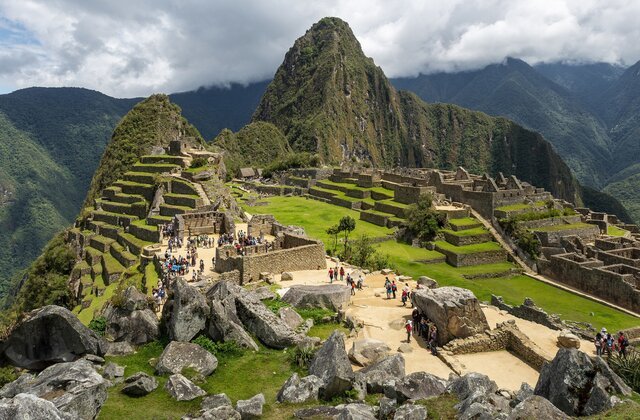
Curious about the basics? Adventure travel blends exploration with physical or cultural challenges, like trekking Machu Picchu or snorkeling the Great Barrier Reef. It’s not extreme sports only—think guided hikes for beginners or cultural immersions in remote villages. Unlike standard tours, it emphasizes active engagement with destinations, often in nature. For newbies, start small: A day hike in a national park counts. It’s about stepping out, learning, and connecting deeply.
Best Destinations for Beginner Adventure Travel
Where to dip your toes? Beginners thrive in accessible spots with guided options. Top picks include:
- Costa Rica: Zip-lines and easy rainforest hikes—perfect intro to eco-adventures.
- New Zealand: Scenic walks like Tongariro Crossing, with stunning views minus extreme effort.
- Iceland: Golden Circle tours for waterfalls and geysers, beginner-friendly.
- Utah, USA: Arches National Park trails—short, rewarding, and iconic.
- Portugal: Coastal paths in the Algarve, blending hikes with beaches.
These offer safety nets like outfitters, easing you in. Book via REI Adventures for guided ease.
Best Tools for Adventure Travel
Gear up smart—here’s what works for planning and packing, covering informational, navigational, and transactional needs.
- Apps for Planning: TripIt organizes itineraries from emails; AllTrails maps hikes with reviews.
- Navigation Essentials: Garmin inReach for offline GPS and SOS—lifesaver in remote areas.
- Packing Must-Haves: Osprey backpack, Merrell boots, and a portable water filter like LifeStraw.
- Booking Sites: Adventure Life for tours; REI Co-op for gear rentals.
- Safety Kit: First-aid with blister pads, plus travel insurance from World Nomads.
For budgets under $500, start with free apps; splurge on durable boots for longevity.
People Also Ask (PAA)
Pulled from real Google searches, these tackle common curiosities about adventure travel benefits.
Is adventure travel safe?
Absolutely, if you prep right. Risks like weather or fatigue exist, but guided tours and insurance minimize them. The CDC notes higher injury odds than standard trips, but following guides slashes that. My tip: Choose reputable operators like those certified by the Adventure Travel Trade Association.
How does adventure travel benefit mental health?
It reduces stress by immersing you in nature, boosting endorphins and mindfulness. A WTTC study links it to better outlook and lower anxiety. Personally, after a tough year, a simple canyon hike in Arizona lifted my fog—nature’s therapy at its best.
What are the physical benefits of adventure travel?
Expect improved cardio, strength, and flexibility from activities like hiking or kayaking. It combats obesity and builds immunity via fresh air. Research shows it even grows brain areas for memory. I gained stamina from Nepal treks that stuck with me.
Can beginners do adventure travel?
Yes! Start with “soft” options like guided walks or easy rafting. Destinations like Canada’s Banff offer beginner packages. Build confidence gradually—no Everest on day one. I began with local day trips before global jaunts.
Does adventure travel help with personal growth?
Hugely—it challenges limits, fostering resilience and empathy. Stepping out culturally or physically reveals strengths. Travelers report broader perspectives post-trip. For me, a solo Amazon paddle taught independence I carry everywhere.
FAQ
Got lingering questions? Here are answers to real user queries I’ve fielded or seen online.
How much should I budget for my first adventure trip?
For beginners, aim for $1,500–$3,000 per week, covering flights, lodging, and activities. Factor in gear (~$200–$500). Domestic spots like U.S. national parks cut costs. Save by traveling off-season or joining group tours.
What if I’m not super fit—can I still adventure travel?
Totally! Many trips are scalable—opt for easier routes or e-bikes. Train with walks beforehand. Operators like G Adventures cater to all levels. My out-of-shape friend loved a gentle Iceland tour; it’s about progress, not perfection.
How do I choose a sustainable adventure operator?
Look for certifications like Global Sustainable Tourism Council. Check reviews on TripAdvisor for eco-practices. Avoid overcrowding by picking small groups. Resources like Responsible Travel guide you to ethical choices.
Is adventure travel worth the higher cost?
If growth and stories matter, yes. It delivers health and memories traditional trips can’t match. Weigh against value—my $2,000 Patagonia hike beat any luxury spa for fulfillment.
What’s the best time to start adventure travel?
Now! No perfect moment—book a weekend getaway first. As a 40-something starter, I wish I’d begun earlier. Life’s too short; grab that backpack.
Whew, there you have it—adventure travel isn’t just good for you; it’s transformative. From the physical highs to the soul-deep connections, it’s a path to a fuller life. I chuckle thinking back to my pre-travel days, glued to a desk, missing out. Don’t wait like I almost did. Pick one reason that resonates, pack your curiosity, and go create your story. The world—and you—are waiting. Safe travels!