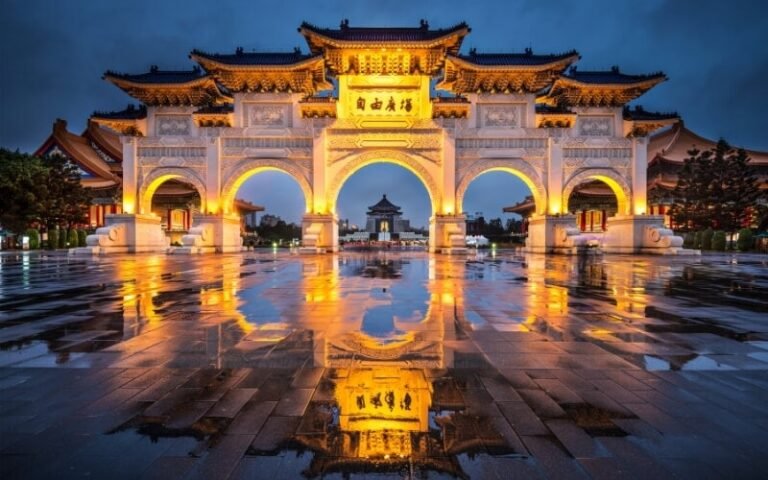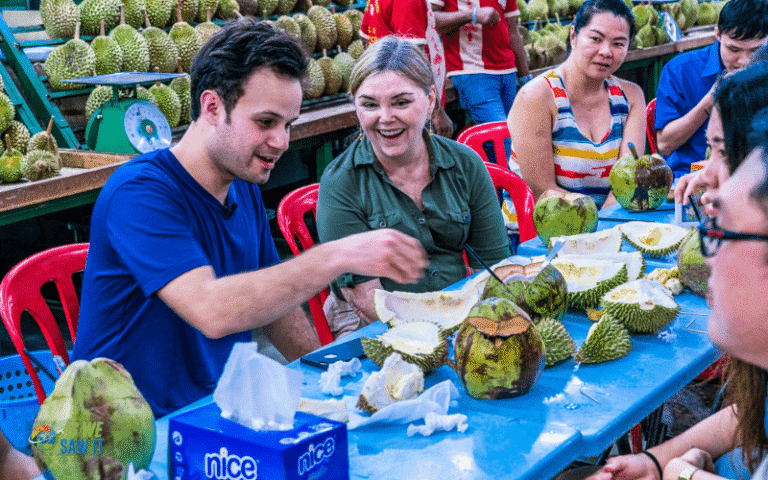



Hey there, fellow wanderer. Imagine this: You’re standing in the bustling souks of Marrakech, the air thick with spices and the chatter of haggling locals. That’s the magic of cultural travel—diving headfirst into the heartbeat of a place, not just snapping selfies at landmarks. I’ve chased that thrill across continents, from the misty temples of Kyoto to the vibrant markets of Istanbul, and let me tell you, it’s not about ticking boxes on a bucket list. It’s about letting a new world reshape yours. In this guide, I’ll share what I’ve learned from years of boots-on-the-ground adventures, blending practical tips with stories that stuck with me. Whether you’re a newbie or a seasoned explorer, let’s unpack how to travel with purpose, respect, and a dash of wonder.
What Is Cultural Travel?
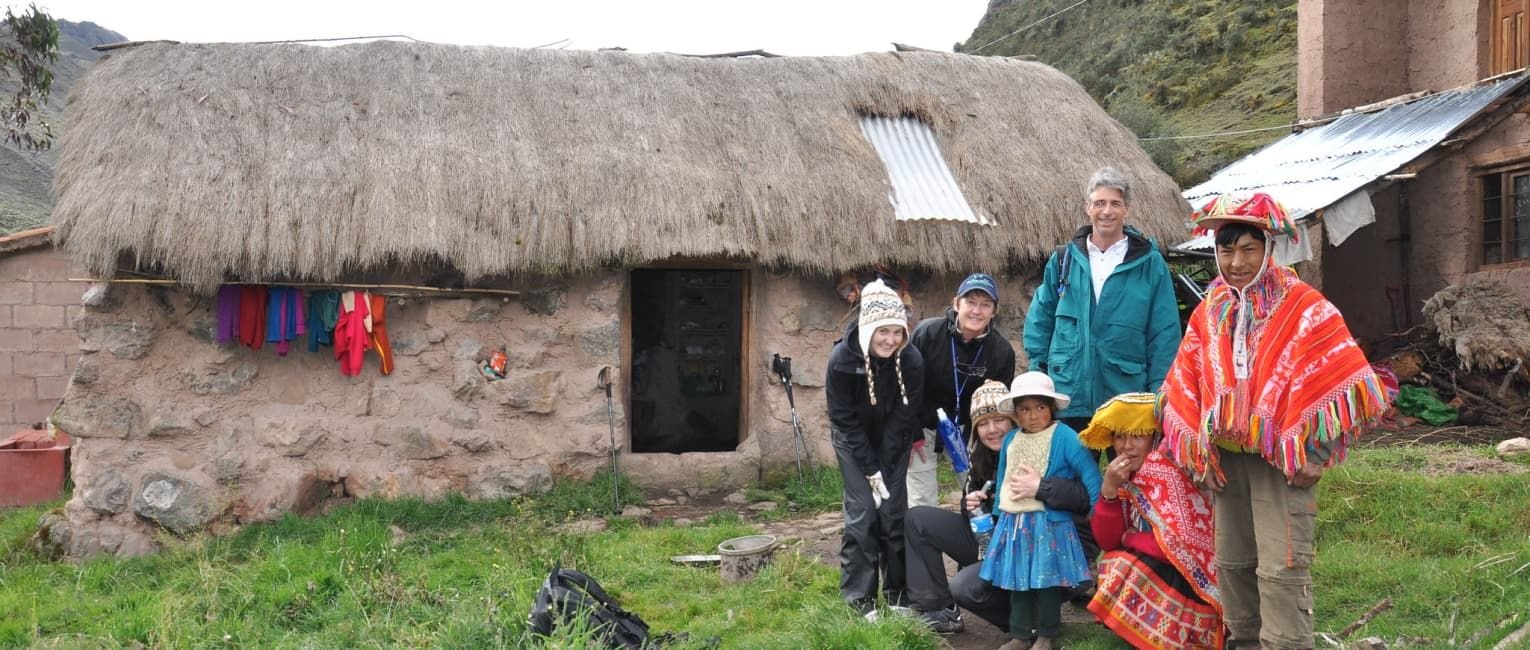
Cultural travel goes beyond the postcard views; it’s about immersing yourself in the traditions, stories, and daily rhythms of a destination. Think participating in a Thai cooking class with a local family or wandering through ancient ruins with a guide who grew up hearing their legends. It’s that physical activity mixed with cultural exchange and a touch of nature, as defined by the Adventure Travel Trade Association. For me, it started in Peru, where hiking the Inca Trail wasn’t just exercise—it was connecting with a history that felt alive underfoot.
This isn’t your standard beach vacation. It’s purposeful exploration that broadens your worldview while supporting local communities. You’ll come home with more than photos; you’ll carry empathy and insights that linger.
Why Choose Cultural Travel?
There’s something profoundly rewarding about cultural travel that hooks you from the first genuine “hello” in a foreign tongue. It builds resilience, sparks creativity, and even boosts mental health by challenging your perspectives. I remember my trip to Vietnam—staying in a homestay, learning to weave silk from elders who shared tales of resilience through wars and monsoons. It wasn’t glamorous, but it grounded me in a way no resort ever could.
Beyond personal growth, it drives positive change. By choosing ethical operators, you funnel money directly to artisans and guides, preserving traditions that might otherwise fade. In a world racing toward sameness, cultural travel keeps diversity alive, one respectful interaction at a time.
Planning Your Cultural Adventure
Planning sets the tone for an unforgettable journey, so start with curiosity over checklists. Research destinations that align with your interests—maybe Japan’s tea ceremonies if you’re into mindfulness, or Morocco’s Berber markets for a sensory overload. Budget for experiences over luxury; I’ve found that skipping the five-star hotel for a family-run guesthouse doubles the cultural payoff.
Tools like Culture Trip app can curate personalized itineraries based on local insights, while booking through sites like G Adventures ensures sustainable practices. Aim for off-peak seasons to avoid crowds and connect deeper. My advice? Leave room for spontaneity—some of my best memories, like stumbling into a festival in Bali, happened by accident.
Researching Destinations
Dig into the soul of a place before you go. Read books by local authors, watch documentaries, or join Reddit threads like r/solotravel for real talk. I once prepped for India by devouring “The God of Small Things,” which made the backwaters feel like old friends.
Focus on current events too—festivals like Kyoto’s Gion Matsuri in summer 2025 are gold for immersion. Use Google Arts & Culture for virtual previews of sites, ensuring you’re not just a tourist but a thoughtful visitor.
Budgeting for Immersive Experiences
Cultural travel doesn’t have to break the bank, but it pays to prioritize. Allocate 40% for accommodations like eco-lodges, 30% for activities such as guided homestays, and the rest for food and transport. Apps like Hopper predict price drops for flights, freeing up cash for that weaving workshop in Peru.
Remember hidden costs: tips for guides (essential in many cultures) or entry fees to sacred sites. From my Balkan backpacking days, I learned packing light saves on baggage fees, leaving more for street feasts that taste like home away from home.
Top Cultural Destinations for 2025
2025 is shaping up to be a banner year for cultural explorers, with anniversaries and new openings drawing you into hidden histories. From Europe’s festival frenzy to Asia’s timeless rituals, these spots blend adventure with authenticity. I’ve picked ones that reward the curious soul, based on trends from TripAdvisor and Lonely Planet.
- Kyoto, Japan: As Culture City of East Asia 2025, expect zen gardens, geisha districts, and kaiseki feasts. Hike bamboo groves for that serene workout.
- Istanbul, Turkey: Straddling continents, it’s a whirlwind of mosques, bazaars, and whirling dervishes. Perfect for foodies sampling mezes.
- Marrakech, Morocco: Souks, riads, and Berber traditions await. Join a cooking class or hammam for sensory overload.
- Nova Gorica, Slovenia (and Gorizia, Italy): European Capital of Culture 2025 means wine hikes and cross-border festivals in this underrated gem.
- Prague, Czech Republic: Bohemian vibes with castles and puppet theaters. Stroll the Charles Bridge at dawn to beat the crowds.
These aren’t just pretty places—they’re portals to stories. In Kyoto, I once joined a tea ceremony where the host’s quiet wisdom outshone any temple tour.
| Destination | Key Experience | Best Time to Visit | Avg. Cost (per day) |
|---|---|---|---|
| Kyoto, Japan | Tea ceremonies & temple hikes | Summer (Gion Matsuri) | $150–$250 |
| Istanbul, Turkey | Bazaar haggling & mosque visits | Spring/Fall | $100–$200 |
| Marrakech, Morocco | Souk explorations & cooking classes | Fall/Winter | $80–$150 |
| Nova Gorica, Slovenia | Wine festivals & border walks | All year (2025 events) | $90–$180 |
| Prague, Czech Republic | Castle tours & beer history | Summer | $120–$220 |
This table compares costs and vibes—adjust for your style, but always factor in ethical stays.
Tips for Respectful Cultural Immersion
Respect is the golden thread in cultural travel; without it, you’re just a passerby. Start by observing—mimic locals’ pace and politeness. In Japan, that means no loud chatter on trains; in India, removing shoes before entering homes. I goofed once in Thailand by pointing my feet at a Buddha statue—feet are considered lowly, and the monk’s gentle correction was a humbling lesson.
Engage humbly: Ask permission for photos, learn basic phrases via Duolingo, and tip thoughtfully (it’s not always expected). Dress modestly for sacred sites—shoulders and knees covered go a long way. And eat local, but mind allergies; sharing a meal breaks ice better than any guidebook.
Humor helps too. When I butchered Spanish in Mexico, laughing it off with the vendor led to free tamales and a lifelong memory. Travel with heart, and doors open wide.
Learning Local Customs
Customs are the unspoken rules that make interactions smooth. Research via Cultural Atlas or Smartraveller—bow in Korea, use right hand for greetings in the Middle East. I prepped for Ethiopia by learning about coffee ceremonies; joining one felt like family.
Practice active listening. When a Balinese dancer explained gamelan music’s spiritual roots, I didn’t just nod—I asked questions, turning a show into a conversation.
Navigating Language Barriers
Language gaps can charm or chafe, but tools bridge them beautifully. Google Translate’s camera scans menus; I used it in rural Vietnam to decode pho ingredients. Say “hello” and “thank you” in the local tongue—it shows effort.
Don’t assume English everywhere; in remote spots, gestures rule. My Italian mishap ordering “caprese” instead of “cappuccino” ended in giggles and a fresh salad—silver linings abound.
Common Mistakes to Avoid in Cultural Tourism
Even pros slip up, but knowing pitfalls keeps your adventure smooth. One biggie: overtourism—flocking to Venice’s canals without a thought for locals’ lives. I learned in Barcelona to visit neighborhoods like Gracia over La Rambla for quieter vibes.
Another: cultural appropriation, like wearing Native American headdresses as “costumes.” It’s disrespectful; instead, support artisans by buying authentic pieces. And don’t haggle aggressively in markets—it’s fun in Morocco but rude in Japan.
Environmentally, skip single-use plastics; in Bali’s beaches, I saw the toll of tourist trash. Finally, ignoring locals’ advice—once in Peru, I heeded a guide’s weather warning and avoided a trek’s dangers. Mistakes happen, but awareness turns them into growth.
Pros and Cons of Popular Cultural Spots
| Spot | Pros | Cons |
|---|---|---|
| Kyoto Temples | Deep historical insights, serene hikes | Crowded paths, high entry fees |
| Istanbul Bazaars | Vibrant haggling, diverse foods | Overwhelming noise, pickpockets |
| Marrakech Souks | Immersive crafts, local interactions | Intense heat, bargaining pressure |
| Prague Castles | Fairytale architecture, beer culture | Tourist traps, steep prices |
Weighing these helps you choose wisely—Kyoto’s pros outweighed the crowds for my zen-seeking soul.
Essential Tools and Apps for Cultural Travelers
Tech amps up cultural dives without overwhelming the experience. Culture Trip curates local recommendations, from hidden eateries to festivals—it’s like a insider whispering secrets. I used it in Mexico City to find a Day of the Dead procession off the beaten path.
Google Arts & Culture offers virtual tours and AR exhibits; perfect for pre-trip prep or rainy days. For navigation, Maps.me works offline, crucial in spotty-signal areas like rural Laos. And don’t skip translation apps—Duolingo for basics, or EatWith for homecooked meals with locals.
These aren’t crutches; they’re enablers. Pair them with a journal to capture nuances apps miss.
Best Booking Platforms
- G Adventures: Small-group tours focused on cultural exchange and sustainability.
- Exodus Travels: Immersive cultural holidays with expert guides.
- Viator: Local-led experiences, from street food tours to artisan workshops.
Book via G Adventures for ethical vibes—I did, and their Vietnam trek was transformative.
People Also Ask
Drawing from common Google queries, here’s what fellow travelers wonder about cultural jaunts.
What is cultural travel?
It’s tourism centered on experiencing a place’s heritage, arts, and lifestyles—think festivals, crafts, and community interactions over sunbathing. It fosters understanding and supports locals.
How can I embrace cultural differences while traveling?
Stay open: Learn phrases, try foods, and observe customs without judgment. Engage respectfully—ask before photos—and reflect on your biases for richer connections.
What are some tips for cultural etiquette abroad?
Research dress codes (modest for temples), greet with local norms (bow or handshake), and avoid sensitive topics like politics. Tipping varies—generous in the US, subtle in Japan.
Where to find authentic cultural experiences?
Seek homestays via Couchsurfing, join guided tours on Viator, or use Culture Trip for insider picks. Avoid chains; head to markets and villages for the real deal.
How to learn about other cultures before traveling?
Read local lit, watch films (e.g., “Roma” for Mexico), follow subreddits, or use Google Arts & Culture. Chat with expats for unfiltered insights.
FAQ
Q: What’s the best way to support local economies during cultural travel?
A: Buy from artisans, eat at family-run spots, and choose community-based tours. In Peru, I purchased alpaca weaves directly from weavers—fair prices, genuine stories.
Q: How do I avoid overtourism in popular spots?
A: Visit off-season, explore lesser-known areas (like Albania over Croatia), and use public transport. Early mornings beat crowds; I dodged Venice lines by basing in nearby Treviso.
Q: Are there affordable cultural travel options for beginners?
A: Yes—hostels with cultural workshops, free walking tours via apps like FREETOUR.com, or volunteer exchanges on Worldpackers. My first big trip to Thailand cost under $1,000 thanks to street eats and buses.
Q: How can I prepare for cultural shocks?
A: Journal expectations, pack versatile clothes, and embrace flexibility. Therapy apps like Calm helped me process emotions post-immersion—travel stirs the soul.
Q: What’s one must-have item for cultural adventurers?
A: A reusable water bottle—not just eco-friendly, but it sparks chats with locals offering refills. Mine’s seen markets from Hanoi to Havana.
As we wrap this up, remember: Cultural travel isn’t a conquest; it’s a conversation. I’ve returned from trips changed—more patient, more grateful—because I listened more than I spoke. So pack your curiosity, leave ego at home, and go create your own stories. The world’s waiting, open-hearted. Safe journeys!