


Hey there, fellow wanderer. If you’ve ever felt that pull toward a trip that’s more than just snapping photos at landmarks—something that lets you taste the air of history, hear the rhythm of daily life, and maybe even chat with someone whose world feels worlds away from yours—then cultural travel is calling your name. It’s that kind of journey where you come back changed, with stories that stick. I’ve chased those moments across continents, from haggling in Moroccan souks to sharing tea with nomads in Morocco, and let me tell you, it’s the quiet revelations that hit hardest. In this piece, we’ll dive into five standout spots that deliver exactly that: immersive, soul-stirring cultural experiences. Whether you’re a newbie dipping your toes or a seasoned explorer, these destinations promise depth without the overwhelm.
Why Choose Cultural Travel in 2025?
Picture this: It’s early morning in a bustling market, the air thick with spices and chatter, and you’re not just observing—you’re part of it. Cultural travel isn’t about ticking boxes; it’s about weaving yourself into the fabric of a place. In 2025, with anniversaries like Bolivia’s bicentennial and new museum openings in Benin lighting up the calendar, the world feels ripe for these connections. It’s a chance to step beyond the surface, learn from locals, and maybe even question your own routines back home. I’ve found it humbling, like that time I learned to weave in Peru and realized how much patience shapes a craft—and a life.
Destination 1: Kyoto, Japan – Temples, Traditions, and Tranquility
Kyoto whispers ancient secrets through its mossy temples and lantern-lit streets, making it a pinnacle for cultural immersion. As Japan’s cultural heart, it’s home to over 2,000 shrines and gardens that have stood for centuries, inviting you to slow down and absorb the Zen philosophy that permeates everything.
What Makes Kyoto’s Culture So Captivating?
Geisha districts like Gion come alive at dusk, where you might catch a glimpse of maiko apprentices in training—elegant figures straight out of a bygone era. The city’s kaiseki meals, multi-course feasts using seasonal ingredients, turn eating into an art form, each bite telling a story of harmony with nature.
Must-Do Experiences in Kyoto
- Tea Ceremony Workshop: Join locals in a chado session, whisking matcha while learning the ritual’s meditative roots. It’s surprisingly calming, even if your hands shake like mine did the first time.
- Fushimi Inari Hike: Wander the thousands of vermilion torii gates snaking up the mountain— a spiritual path that’s equal parts physical and profound.
- Arashiyama Bamboo Grove Stroll: Early morning avoids crowds; pair it with a rickshaw ride for tales from a guide who grew up in the shadows of these giants.
One afternoon in Kyoto, I stumbled into a small kimono-fitting shop run by an elderly artisan. She dressed me up, giggling at my clumsy bows, and shared how the fabric’s patterns echo family histories. That hour? Priceless. It’s moments like these that make cultural travel feel personal.
Pros and Cons of Visiting Kyoto
| Aspect | Pros | Cons |
|---|---|---|
| Accessibility | Excellent public transport; English signs in key spots. | Peak cherry blossom season means crowds—book ahead. |
| Cost | Affordable street food; free temple entry often. | High-end ryokans or geisha shows can add up quickly. |
| Immersion Level | Endless workshops and festivals year-round. | Language barrier outside tourist areas; apps help. |
Destination 2: Marrakech, Morocco – Souks, Stories, and Sahara Sands
Marrakech pulses with the vibrant chaos of North African life, where the Medina’s labyrinthine alleys overflow with colors, scents, and sounds that pull you into Morocco’s soul. It’s a feast for the senses, blending Berber traditions with Islamic artistry in a way that’s both exotic and welcoming.
Unpacking Marrakech’s Timeless Allure
The Jemaa el-Fnaa square buzzes from dawn till midnight with storytellers, snake charmers, and spice vendors—a UNESCO-listed spectacle that’s been entertaining for centuries. Nearby, the Bahia Palace’s intricate mosaics showcase riad architecture, a nod to Morocco’s opulent past.
Essential Cultural Activities in Marrakech
- Souk Shopping Spree: Dive into the souks for lanterns and leather goods; bargaining isn’t just fun—it’s a social dance. I once scored a tagine pot after a hilarious back-and-forth that ended in mint tea.
- Hammam Experience: Traditional steam baths with black soap scrubs—relaxing and ritualistic, leaving you reborn.
- Day Trip to the Sahara: Camel trek into dunes for Berber music under the stars; it’s raw, real magic.
I remember my first riad stay: Waking to the call to prayer, sharing tagine with the host family, their laughter bridging our language gap. It hit me how hospitality here isn’t a service—it’s a way of life. If you’re craving that warmth, Marrakech delivers.
Comparing Marrakech to Other North African Spots
Marrakech stands out for its accessibility compared to remote oases like those in Tunisia, but it shares the region’s spice-driven cuisine. For history buffs, it’s richer in palaces than Algeria’s casbahs, though all offer profound Islamic heritage. Budget travelers love its affordability, but pack for the heat—unlike cooler coastal Fez.
- Pros: Affordable luxury riads; endless street food variety.
- Cons: Intense summer heat; petty theft in crowded areas—stay vigilant.
Destination 3: Rome, Italy – Eternal City Echoes
Rome isn’t just ruins; it’s a living museum where every cobblestone street hums with layers of empire, Renaissance genius, and everyday Italian passion. From the Colosseum’s roar to a gelato pause in Trastevere, it’s culture you can touch, taste, and feel.
Rome’s Layers of History and Heart
The Forum and Pantheon transport you to ancient times, while Vatican City’s Sistine Chapel ceiling is Michelangelo’s masterpiece staring back at you. But it’s the piazzas, alive with locals sipping espresso, that reveal the unhurried Italian art of living.
Top Ways to Engage with Roman Culture
- Food Tour in Testaccio: Sample cacio e pepe pasta from hole-in-the-wall spots; learn how Rome’s markets fuel its cucina povera tradition.
- Gladiator School: Half-day session wielding a wooden sword—silly fun that brings history to life (I swung wildly and laughed the whole time).
- Evening Vespa Ride: Zip through twilight streets, stopping for aperitivo; it’s romantic without trying too hard.
Years ago, I got lost near the Spanish Steps and ended up at a neighborhood festa, dancing to accordions with nonnas who fed me arancini. That serendipity? Rome’s gift. It’s chaotic, but oh, the stories.
Pros and Cons List for Rome Travel
- Pros: Walkable core; world-class museums with skip-the-line options; vibrant nightlife blending old and new.
- Cons: Summer crowds can overwhelm sites; pickpockets target tourists—use a money belt.
For featured snippet seekers: Rome’s best cultural sites include the Colosseum (gladiatorial history), Trevi Fountain (Baroque whimsy), and Pantheon (ancient engineering marvel).
Destination 4: Cusco and Machu Picchu, Peru – Inca Legacy Alive
High in the Andes, Cusco bridges Inca grandeur with Spanish colonial vibes, serving as the gateway to the iconic Machu Picchu. This destination isn’t just about the ruins—it’s about feeling the resilience of indigenous Quechua culture amid breathtaking peaks.
The Spiritual Pull of Peruvian Highlands
Cusco’s San Blas neighborhood buzzes with weavers and markets, while Sacsayhuamán’s massive stone walls defy logic—Inca engineering at its finest. Machu Picchu, shrouded in mist, feels like stepping into a lost world.
Immersive Experiences Await
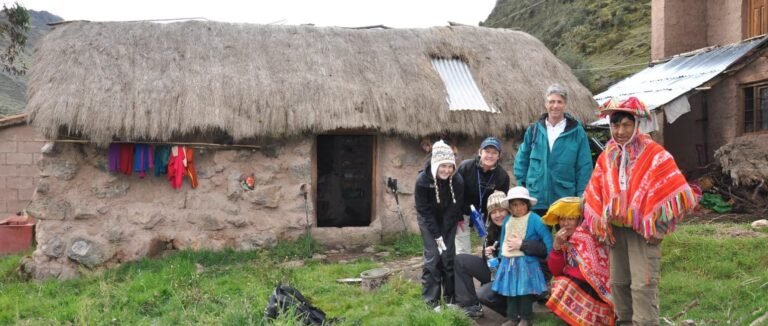
- Homestay in the Sacred Valley: Live with a Quechua family, learning to make quinoa soup—simple meals that taste like earth.
- Train to Machu Picchu: The scenic ride builds anticipation; hike to the Sun Gate for sunrise views.
- Textile Workshop: Dye wool with natural plants; I left with a scarf and a deeper respect for Andean craftsmanship.
My trek to Machu Picchu ended in rain-soaked awe, but chatting with a local guide about Pachamama (Mother Earth) made it unforgettable. Peru humbles you, reminding travel’s about roots, not just vistas.
Comparison: Cusco vs. Other Andean Destinations
| Feature | Cusco/Peru | Bolivia (La Paz) | Ecuador (Quito) |
|---|---|---|---|
| Altitude | High (3,400m); acclimatize slowly. | Similar; more urban vibe. | Milder; colonial focus. |
| Iconic Site | Machu Picchu—mystical ruins. | Uyuni Salt Flats—otherworldly. | Mitad del Mundo—equator line. |
| Cultural Depth | Strong Inca revival; festivals galore. | Indigenous markets; cheaper. | Blend of Spanish and Amazonian. |
- Pros: Affordable guided treks; rich festivals like Inti Raymi.
- Cons: Altitude sickness risk; rainy season disrupts hikes.
Destination 5: Istanbul, Turkey – Crossroads of Continents
Straddling Europe and Asia, Istanbul is a cultural crossroads where Ottoman minarets pierce the skyline and Bosphorus ferries carry the day’s rhythm. It’s a city of contrasts—ancient bazaars meet modern mosques—offering a tapestry of influences that’s endlessly fascinating.
Istanbul’s Bridge Between Worlds
The Hagia Sophia, once church, mosque, museum, now grand mosque again, embodies the city’s layered identity. The Grand Bazaar, a 15th-century maze, teems with hagglers and treasures.
Cultural Highlights to Savor
- Whirling Dervish Show: Witness Sufi spins as meditation; the music alone is hypnotic.
- Bosphorus Cruise: Sunset views of palaces; pair with meze platters for a floating feast.
- Spice Market Foray: Sample lokum (Turkish delight); it’s sweeter than any souvenir.
I once joined a family for iftar during Ramadan—breaking fast with olives and stories. That generosity? Istanbul’s essence. It’s loud, lively, and leaves you longing for more.
Pros and Cons of Istanbul Exploration
- Pros: Budget-friendly eats; easy public transit across continents.
- Cons: Traffic chaos; dress modestly at religious sites.
Quick tip for searchers: Istanbul’s top cultural gems? Blue Mosque (tiles galore), Topkapi Palace (sultans’ secrets), and Basilica Cistern (eerie underground beauty).
Cultural Travel Tips for Beginners
Diving into cultural trips? Start small: Learn a few phrases—”salamat” in Filipino or “merci” in French—doors open instantly. Respect customs, like removing shoes in Asian homes; I forgot once in Japan and blushed through apologies. Eat local, stay longer than a day trip, and say yes to invitations. Pack light, journal everything—it’s your anchor. Oh, and a dash of humor helps; when I botched a Moroccan greeting, the locals just laughed and taught me right.
Pros and Cons of Cultural vs. Beach Travel
- Cultural Pros: Lifelong memories; personal growth; supports communities.
- Cultural Cons: Unpredictable schedules; cultural faux pas possible.
- Beach Pros: Relaxation; easy planning.
- Beach Cons: Less depth; overtourism issues.
People Also Ask (PAA)
What is cultural travel?
Cultural travel means immersing in a destination’s heritage—think festivals, crafts, and conversations—beyond surface sights. It’s about understanding, not just visiting. For example, in Kyoto, it’s more than temples; it’s the etiquette behind a bow.
Where to get the best cultural experiences in Europe?
Europe shines with spots like Rome’s ruins or Istanbul’s bazaars, but for 2025, try Plovdiv, Bulgaria—Europe’s oldest city—for affordable history. Vienna’s coffee houses offer classical vibes; book via European Best Destinations.
Best tools for planning cultural trips?
Apps like TripIt for itineraries, Google Translate for chats, and Duolingo for basics. For bookings, use Viator for workshops. I swear by a simple notebook for notes—tech fails, but scribbles don’t.
What are some unique cultural destinations?
Hidden gems like Armenia’s monasteries or Benin’s new art hubs in 2025. For adventure, Peru’s Sacred Valley homestays. Always check Lonely Planet for off-beat picks.
FAQ
How do I avoid tourist traps on cultural trips?
Stick to locals’ recommendations—ask at markets or homestays. Visit sites early or off-season; I once had Machu Picchu nearly to myself at dawn. Research via forums like Reddit’s r/travel.
Is cultural travel expensive?
Not necessarily—opt for street food and hostels. In Marrakech, a day immerses you for under $50. Budget via tools like Rome2Rio for transport.
What’s the best time for cultural travel to these spots?
Spring or fall avoids crowds: Kyoto in autumn for foliage, Rome in April for mild weather. Check festivals—Inti Raymi in Cusco is June magic.
How can I travel culturally responsibly?
Support ethical tours, learn customs, leave no trace. In Istanbul, buy from artisan co-ops. Read UNESCO guidelines for heritage sites.
Can solo travelers enjoy cultural experiences?
Absolutely—join group workshops or tours. I soloed Kyoto’s tea ceremonies and made friends for life. Safety first: Share plans, use rideshares.
Whew, what a ride through these worlds. Whether it’s Kyoto’s serenity or Istanbul’s buzz, these destinations remind us travel’s about connection. Got a favorite? Drop it below—I’d love to hear. Safe journeys!