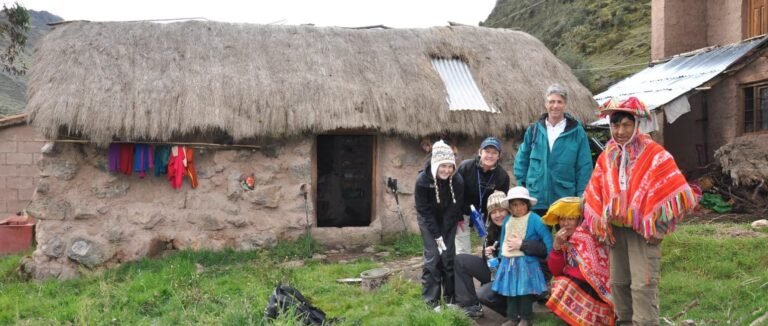



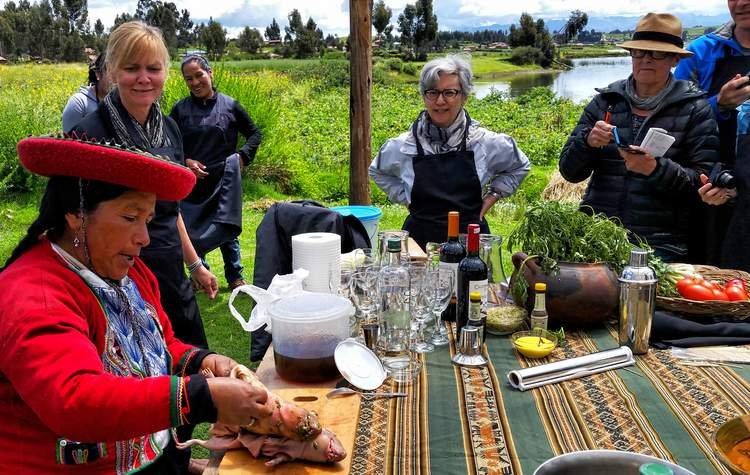
I’ve always believed that the best trips aren’t just about snapping photos or ticking off landmarks—they’re about the connections you make, the stories you hear, and the way you leave a place a little better than you found it. South America, with its wild rainforests, ancient ruins, and vibrant communities, feels like the ultimate classroom for that kind of travel. A few years back, I spent three months weaving through Peru and Bolivia, not as a tourist rushing from site to site, but as someone trying to tread lightly while soaking in the soul of the place. One evening in the Sacred Valley, sharing a meal of quinoa and fresh herbs with a Quechua family, I realized how conscious choices can turn a vacation into something transformative. If you’re ready to explore this continent with purpose, let’s dive in.
What Is Conscious Cultural Travel?
Conscious cultural travel means approaching destinations with respect for their heritage, people, and environment, turning your journey into a two-way exchange rather than a one-sided extraction. In South America, it’s about immersing in indigenous traditions or colonial histories without overwhelming fragile ecosystems or local ways of life.
This style of travel emphasizes learning from communities, supporting artisans, and minimizing your footprint—think homestays over hotels or guided hikes that fund conservation. It’s grown popular as travelers seek deeper meaning, especially post-pandemic, when many of us craved authenticity over Instagram perfection.
For me, it started small: opting for a community-led tour in Cusco instead of a generic bus ride. That choice opened doors to real conversations, and suddenly, the Incan ruins weren’t just rocks—they were living history.
Why Choose South America for Conscious Journeys?
South America’s diversity—from the Amazon’s biodiversity hotspots to the Andes’ ancient trails—makes it a playground for mindful explorers. The continent hosts over 50 UNESCO sites, blending natural wonders with cultural depth, and its indigenous populations offer profound insights into sustainable living.
What draws me back is the warmth of its people; in places like Ecuador’s highlands, locals share Pachamama (Mother Earth) philosophies that challenge our Western haste. Plus, with rising eco-initiatives, your visit can directly aid conservation, like protecting jaguars in the Pantanal.
Traveling consciously here isn’t just ethical—it’s enriching. You’ll return with stories that stick, not souvenirs that gather dust.
Top Destinations for Mindful Exploration
The Amazon Rainforest: Brazil and Peru
The Amazon, the world’s largest rainforest, pulses with life and lessons in harmony with nature. In Peru’s Manu National Park or Brazil’s side, eco-lodges let you glide through canopy walks or listen to night sounds without disturbing the ecosystem.
These areas thrive on low-impact tourism; your stay funds anti-deforestation efforts. I once canoed at dawn in Manu, spotting pink river dolphins— a reminder of why we protect such fragile worlds. Opt for operators certified by the Rainforest Alliance for authentic, responsible access.
Machu Picchu and the Sacred Valley: Peru
Peru’s Inca heartland whispers of empires past, but conscious travel here means respecting limits like daily visitor caps at Machu Picchu. The Sacred Valley’s villages, like Ollantaytambo, offer homestays where you learn weaving from locals.
This region’s sustainability shines through community cooperatives that preserve Quechua traditions. My hike along the Inca Trail, with a guide from a local family, felt like time travel—minus the crowds, plus real gratitude for the porters who make it possible.
Patagonia: Argentina and Chile
Patagonia’s glaciers and peaks demand reverence; Torres del Paine in Chile or Los Glaciares in Argentina showcase resilient ecosystems. Conscious trips involve eco-camps with solar power and hikes that support ranger programs.
The wind-swept trails here build humility—I remember trekking to Grey Glacier, awed by its creaks, and vowing to cut plastic use after seeing its melt. Choose outfitters like EcoCamp Patagonia, which uses 100% renewable energy.
Galápagos Islands: Ecuador
Ecuador’s Galápagos, Darwin’s inspiration, epitomizes conscious travel with strict regulations protecting endemic species. Island-hopping cruises focus on education, not exploitation, letting you snorkel with sea lions while funding marine reserves.
The isolation amplifies every encounter; I watched giant tortoises roam freely, a humbling nod to evolution. Stick to certified vessels via the Galápagos National Park to ensure your visit aids conservation.
Uyuni Salt Flats: Bolivia
Bolivia’s surreal Uyuni, the world’s largest salt flat, mirrors the sky in rainy season, but mindful visits avoid off-road damage. Community tours from nearby villages include cultural stops, like Aymara rituals.
This high-altitude wonder taught me patience—waiting for the perfect mirror reflection amid lithium mining debates. Support indigenous-led operators to bolster local economies.
Practical Tips for Responsible Journeys
Choosing Sustainable Accommodations
Look for eco-lodges or boutique stays verified by Global Sustainable Tourism Council standards—think solar-powered spots in the Amazon or recycled-material builds in Patagonia. These places often integrate cultural experiences, like cooking classes with local ingredients.
In my travels, swapping a chain hotel for a family-run posada in Colombia meant fresh arepas and stories of Afro-Caribbean life. Always check reviews on sites like Booking.com for green certifications.
Supporting Local Communities
Eat at markets, buy artisan crafts directly, and join homestays to channel money where it counts. In Peru, cooperatives like those in Chinchero weave sustainability into tourism, preserving textiles while empowering women.
Humorously, I once bartered for a scarf with broken Spanish—ending in laughter and a fair deal. Prioritize fair-trade shops to avoid exploitative middlemen.
Minimizing Environmental Impact
Pack light, use reusable water bottles (many areas have purification stations), and offset flights via programs like those from the UNWTO. Avoid single-use plastics; in the Galápagos, they’re banned for good reason.
On a Bolivian bus, I ditched plastic snacks for local fruits—better for me and the planet. Follow Leave No Trace principles on trails to keep wild places pristine.
Cultural Etiquette Essentials
Learn basic Spanish or Portuguese; phrases like “gracias” open hearts. Ask permission before photos, especially in indigenous areas, and dress modestly in rural spots.
Respect rituals— in Ecuador, participating in a shamanic ceremony was profound, but only after understanding its sacredness. Light humor helps: my mangled Quechua attempts always broke the ice.
Pros and Cons of Conscious Travel in South America
| Aspect | Pros | Cons |
|---|---|---|
| Cultural Depth | Authentic interactions build lasting memories; supports traditions like Andean weaving. | Requires patience; language barriers can slow connections. |
| Environmental Impact | Low-volume tourism aids conservation; eco-lodges reduce carbon footprints. | Remote spots mean longer travel, increasing emissions if not offset. |
| Cost | Often cheaper long-term via homestays; community tours beat luxury markups. | Initial research and certifications add planning time. |
| Safety and Accessibility | Guided experiences enhance security; locals provide insider tips. | Off-beaten paths may lack infrastructure; altitude sickness in Andes. |
Overall, the pros outweigh the cons for those seeking meaning over convenience—my Bolivia salt flat tour was bumpy but unforgettable.
Comparison: Conscious vs. Traditional Tourism
Traditional tourism often herds crowds to icons like Machu Picchu, straining sites and inflating prices. Conscious alternatives, like alternative Inca treks, cap groups at 10, fund porters’ rights, and include cultural workshops.
In the Amazon, mass cruises pollute rivers; eco-boats limit passengers, emphasizing wildlife education. Cost-wise, traditional might save upfront but misses depth— I paid more for a sustainable Galápagos trip but gained lifelong insights.
For value, conscious wins: deeper immersion, positive impact, and fewer regrets.
- Bullet Points on Key Differences:
- Group Size: Traditional: 20+; Conscious: 8-12 for intimacy.
- Focus: Sightseeing vs. learning (e.g., Quechua language sessions).
- Legacy: Overtourism erosion vs. community empowerment.
People Also Ask
What is the best time of year for sustainable travel in South America?
The dry season (May to October) suits the Andes and Patagonia, minimizing erosion on trails. For the Amazon, June to September avoids floods while supporting peak conservation tours. Shoulder seasons like April or November offer fewer crowds and blooming landscapes—perfect for eco-focused hikes.
How can I travel sustainably in the Amazon?
Choose lodges with carbon-neutral ops, like those in Peru’s Tambopata Reserve, and join guided night walks that fund anti-poaching. Use biodegradable sunscreen and skip elephant rides—opt for ethical wildlife viewing instead.
Is Machu Picchu eco-friendly to visit?
With caps at 2,500 daily visitors, it’s managed sustainably, but book via responsible operators who train local porters. I hiked an alternative trail to reduce pressure—arrive early to beat heat and crowds.
What are safe ways to experience indigenous cultures?
Homestays in Ecuador’s Otavalo or Bolivia’s Tiwanaku allow respectful immersion; always compensate fairly and learn customs beforehand. Avoid performative “tribal” shows—seek genuine exchanges through certified cultural NGOs.
How much does conscious travel cost in South America?
Budgets range $50-150/day, covering eco-lodges ($80/night) and meals ($10). It’s comparable to traditional but adds value via offsets; my Peru trip averaged $80 daily, including community fees.
Best Tools and Resources for Planning
For informational intent, start with UNWTO’s sustainable tourism guidelines to understand global standards. Navigational needs? Use Responsible Travel for vetted operators in Peru or Brazil.
Transactional picks: Book via Kuoda Travel for custom eco-itineraries, or apps like iOverlander for off-grid spots. My go-to: The World Wildlife Fund’s app for Amazon biodiversity tracking—free and educational.
- Pros of These Tools:
- Real-time updates on eco-certifications.
- User reviews from fellow conscious travelers.
- Integration with carbon calculators.
My Personal Stories from the Road
Picture this: I’m in the Sacred Valley, fumbling through a Quechua weaving lesson, my threads tangling like my thoughts on fast fashion back home. The elder teaching me chuckles— “Pachamama doesn’t rush”—and suddenly, I’m not just learning knots; I’m unlearning haste. That moment, amid terraced fields, cost little but shifted my worldview.
Or take Patagonia: Hiking alone to Perito Moreno Glacier, the ice groans like a living beast. I slipped on wet rocks (classic me), but a local ranger pulled me up with a grin and a tip on glacial ethics. No heroic rescue, just human kindness reinforcing why we protect these giants.
Emotionally, Bolivia’s Uyuni hit different. Under a mirror-flat sky, isolation felt profound—until stars blanketed everything, reminding me travel’s about wonder, not conquest. These slices of life? They’re why I advocate conscious paths; they heal as much as they inspire.
FAQ
How do I avoid contributing to overtourism in popular spots like Machu Picchu?
Book alternative routes like the Salkantay Trek, which disperses visitors and supports rural communities. Visit mid-week and use trains over flights to cut emissions—Kuoda offers such packages starting at $500.
What vaccinations are needed for sustainable travel in South America?
Core ones: Hepatitis A/B, typhoid, and yellow fever for Amazon areas. Check CDC guidelines; eco-volunteering might require rabies shots. I got mine via a travel clinic—peace of mind for $200.
Can families do conscious cultural travel here?
Absolutely—Patagonia’s family eco-camps include kid-friendly glacier walks. Focus on slower paces; my friends took their teens to Galápagos for $3,000/person, blending education with adventure.
Is solo female travel safe if conscious?
Yes, with smarts: Join group tours in cities like Cusco, use women-led operators in Colombia. I soloed Peru safely by staying connected via apps like TripWhistle—local guides added security and stories.
How to offset my trip’s carbon footprint?
Use platforms like Gold Standard for flight offsets ($20-50 for South America roundtrip). On-ground, choose electric boats in the Amazon. It’s not perfect, but it funds reforestation—my offset planted trees in the Andes.
South America isn’t just a destination; it’s an invitation to grow. By traveling consciously, you honor its spirit while carrying home a piece of its magic. Whether it’s a quiet Andean sunrise or an Amazonian symphony, these experiences remind us: the world thrives when we do. Safe journeys—may yours be as soul-stirring as mine.