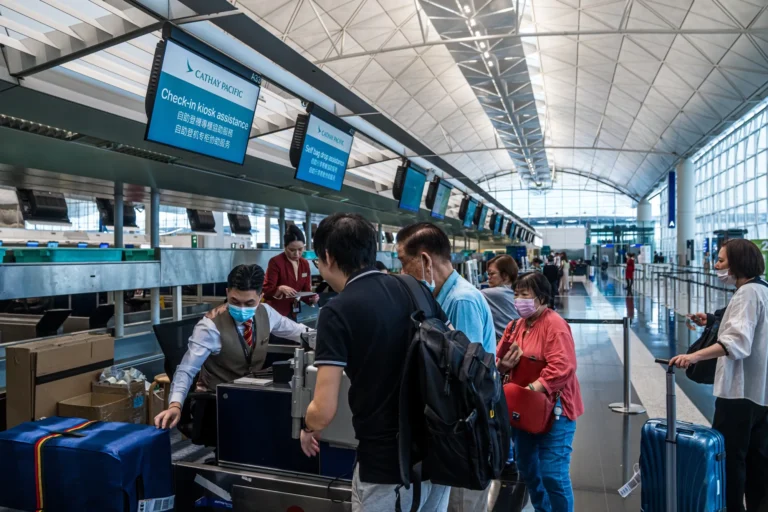




Imagine this: It’s a sweltering summer in Dubai, and instead of hunkering down in air-conditioned malls, my friend Ahmed and his family are jetting off to the Swiss Alps for a week of skiing and chocolate-tasting adventures. Last year, they spent a small fortune on private chalets and helicopter tours, but came back glowing with stories that made the rest of us jealous. That’s the spirit of Middle Eastern travel right now – bold, indulgent, and on the upswing. As someone who’s spent years tracking tourism trends across the Gulf, I’ve seen firsthand how these journeys aren’t just vacations; they’re statements of a region’s growing confidence and wealth.
Recent forecasts paint an exciting picture. According to the ATM Travel Trends Report 2025, total tourism spending in the Middle East is projected to surge 50% by 2030, hitting nearly $350 billion annually. But zoom in on outbound leisure travel – the trips Middle Easterners take abroad for fun – and the numbers get even more compelling. GCC outbound tourism alone is expected to climb from $81.89 billion in 2025 to $139.53 billion by 2032, growing at a steady 7.9% CAGR. It’s not just about more trips; it’s about deeper pockets fueling experiences that blend luxury with culture.
This rise isn’t happening in a vacuum. Economic diversification in countries like Saudi Arabia and the UAE, coupled with a young, affluent population craving the world beyond their borders, is driving it all. In this article, we’ll dive into why this spending boom is underway, what it means for travelers and destinations alike, and how you can tap into it – whether you’re planning your next getaway or eyeing opportunities in the travel biz.
Understanding the Surge in Outbound Leisure Spending
The Middle East’s outbound leisure travel scene has been simmering for years, but post-pandemic, it’s boiling over. In 2019, international leisure trips made up 47% of total travel spend from the region, dwarfing domestic outings at 37%. Fast-forward to 2025, and with borders wide open, that figure is rebounding stronger than ever. Projections show GCC residents alone will pump $76.4 billion into outbound travel this year, en route to nearly $198 billion by 2037.
What’s fueling this? Rising disposable incomes play a huge role. The GCC’s middle class is expanding, with more families like Ahmed’s treating international jaunts as annual rituals. Add in easier visa access – think Saudi Arabia’s e-visas for 49 countries – and you’ve got a recipe for explosive growth. It’s heartening to see how this shift is empowering everyday folks to chase dreams, turning what used to be elite escapes into accessible joys.
Key Drivers Behind the Spending Boom
Economic tailwinds are pushing Middle Eastern travelers further afield. Oil prices have stabilized, and diversification efforts like Saudi Vision 2030 are creating jobs and wealth, freeing up cash for leisure. A YouGov survey highlighted that 81% of Saudis and Emiratis plan international holidays, often prioritizing relaxation and new sights.
Demographics add spice to the mix. Millennials and Gen Z, who make up a big chunk of the population, are digital natives craving Instagram-worthy adventures. They’re not just visiting; they’re immersing – think wellness retreats in Bali or food tours in Tokyo. And let’s not forget the family angle; multigenerational trips are huge, with 45% of GCC outbound travel involving the whole clan. It’s these personal touches that make the data feel alive.
Technology seals the deal. Apps like Booking.com and airline loyalty programs have slashed planning time, while AI-driven personalization suggests tailored deals. No wonder outbound visitor growth hit 28.1% in 2023 alone.
Economic Factors Fueling Growth
Wealth from oil and non-oil sectors alike is key. UAE’s per capita tourism spend leads the GCC at $27 billion in 2021, with Saudi close behind at $22 billion. As economies diversify, more people have budgets for premium flights and stays.
Inflation might pinch elsewhere, but here, subsidies on fuel keep airfares affordable. Governments are even incentivizing travel to boost global ties.
This creates a virtuous cycle: More spending abroad enhances cultural exchange, drawing even more investment back home.
Demographic Shifts and Traveler Profiles
Younger travelers are reshaping the landscape. Over 70% of GCC outbound trips are for leisure, with 66% seeking de-stress vibes. Families dominate at 45%, but solo millennials are rising, eyeing adventure over relaxation.
Women travelers, empowered by social changes, are booking more independently. Profiles show 64% male, but that’s shifting as equality grows.
These diverse groups demand variety – from halal-friendly Europe to eco-luxury in Asia.
Popular Destinations for Middle Eastern Leisure Travelers
From my chats with fellow travelers at Dubai’s airports, Europe tops the list for its mix of history and ease. The UK and France draw crowds for shopping sprees and landmarks, with GCC visitors spending $1,700–$3,000 per trip on average.
Asia’s allure is undeniable too. Turkey and Thailand offer value-packed escapes, blending beaches with culture. India’s rising as a spiritual hub, especially post-pandemic.
Africa, though smaller, is gaining via direct flights to Kenya for safaris. These spots aren’t random; they’re chosen for accessibility and family appeal.
Top European Hotspots
London’s iconic for its theaters and malls, pulling in UAE families year-round. Paris follows, with Eiffel Tower selfies and fine dining.
Switzerland’s mountains provide cool relief from Gulf heat – remember Ahmed’s ski trip? Italy rounds it out with romance and pasta.
These draw 50% of leisure spend, thanks to visa waivers and direct routes.
Emerging Asian and African Picks
Bangkok’s street food and spas are hits for budget luxury. Bali’s wellness scene resonates with stressed professionals.
In Africa, Dubai’s proximity to Kenya boosts wildlife tours. South Africa’s vineyards appeal to wine lovers.
Trends show a 130% jump in Chinese outbound to the region, but reverse flows are strong too.
Spending Patterns: What and How Much?
Middle Easterners aren’t light packers when it comes to wallets. Average outbound spend per trip hovers at $3,000+, outpacing global norms. Air tickets eat 40%, hotels 30%, with the rest on experiences like tours and shopping.
Leisure dominates at 41% of trips, focusing on high-end: Private yachts in Greece or glamping in Morocco. Families splurge on kids’ activities, adding emotional warmth to the numbers.
Digital payments make it seamless, with 68% booking via apps.
Breakdown of Expenditure Categories
- Accommodation: 30% on luxury resorts; think 5-star in Maldives.
- Transportation: 40% flights; Emirates perks keep it premium.
- Food & Activities: 20% dining and excursions; halal options key.
- Shopping & Misc: 10% souvenirs; high in Europe.
This allocation shows value in experiences over basics.
Comparison of Spending vs. Other Regions
| Region | Avg. Spend per Trip (USD) | Trip Duration | Key Focus |
|---|---|---|---|
| Middle East (GCC) | 3,000+ | 10-14 days | Luxury & Family |
| North America | 1,900 | 7-10 days | Adventure |
| Asia-Pacific | 1,200 | 5-8 days | Budget Culture |
| Europe | 2,500 | 8-12 days | Heritage |
GCC outspends due to longer stays and premium choices. It’s a boon for destinations.
Challenges and Opportunities in This Rising Trend
Geopolitical tensions can spook plans – think recent conflicts dipping sentiment temporarily. But resilience shines; the region rebounded 20% above 2019 levels by mid-2023.
Opportunities abound for sustainable travel. Eco-conscious spots like Costa Rica could lure green-minded youth. Bleisure – mixing business with fun – is up, extending trips.
Humorously, with spending like this, destinations might start rolling out the red carpet (literally) for Gulf arrivals.
Pros and Cons of the Spending Surge
Pros:
- Boosts global economies; $76B in 2024 alone.
- Cultural exchange; fosters understanding.
- Job creation in aviation and hospitality.
Cons:
- Overtourism strains popular sites.
- Environmental impact from long-haul flights.
- Currency fluctuations could hike costs.
Balancing these ensures sustainable growth.
How to Plan Your International Leisure Trip from the Middle East
What is the best way to book? Start with apps like Trip.com for deals, or consult agencies for custom family packages. Where to get visas? Check UAE’s visa portal or Saudi’s for e-options.
Best tools? Use Google Flights for routes, HalalTrip for compliant stays. Budget $5,000+ for a week in Europe – flights via Qatar Airways shine.
Pro tip: Book early for summer peaks; I once saved 20% that way.
Transactional Tips for Budgeting
- Tools for Booking: Kayak for comparisons; Expedia for bundles.
- Visa Navigation: Apply via official sites to avoid scams.
- Packing Essentials: Layer for variable climates; apps like PackPoint help.
These make planning painless.
People Also Ask (PAA)
Based on common Google queries around Middle East travel spending trends:
Why is Middle East outbound tourism growing so fast?
It’s driven by economic diversification, rising incomes, and easier access via e-visas. GCC countries like UAE and Saudi lead, with leisure trips up 41% of outbound market. Younger demographics crave global experiences post-COVID.
What are the top destinations for Middle Eastern travelers?
Europe (UK, France) tops for culture and shopping, followed by Asia (Turkey, Thailand) for affordability. Africa like Kenya is emerging for safaris. Choices hinge on family-friendly vibes and direct flights.
How much do Middle Easterners spend on international trips?
Average $3,000+ per trip, higher than global norms. Families allocate heavily to hotels and activities, with total GCC outbound hitting $76B in 2024.
What challenges does rising spending face?
Geopolitics and sustainability issues loom, but recovery outpaces global averages at 28% growth in 2023. Destinations must adapt for eco-travel.
Will spending continue to rise through 2030?
Yes, forecasts show 50% jump to $350B regionally, with outbound leisure leading via luxury and bleisure trends.
FAQ
Q: What is outbound leisure travel spending in the Middle East?
A: It’s the money GCC and other Middle Eastern residents spend on fun trips abroad, like vacations to Europe or Asia. In 2025, it’s projected at $81.89 billion for GCC alone, focusing on luxury and family experiences.
Q: How has COVID affected this trend?
A: It dipped spending to 20% of 2019 levels in 2020, but recovery hit 54% above pre-pandemic by 2024. Leisure led the rebound, with international trips now exceeding old highs.
Q: Which GCC country spends the most on outbound travel?
A: Saudi Arabia leads with 49% of GCC’s $76B in 2023, followed by UAE. Both prioritize long, indulgent trips averaging 10-14 days.
Q: Are there sustainable options for these travelers?
A: Absolutely – eco-resorts in Bali or carbon-offset flights via Emirates. With 76% wanting green travel, destinations like Costa Rica are pitching tailored packages.
Q: What’s the future outlook for 2030?
A: Spending could double, reaching $139B+ in GCC outbound, driven by aviation expansions and youth demand. Bleisure and sports tourism will amplify it.
As we wrap up, this spending rise feels like a celebration of possibility. From Ahmed’s family tales to the data’s promise, it’s clear Middle Eastern travelers are reshaping the world one trip at a time. Whether you’re inspired to book or build on this boom, the horizon’s bright. Safe travels!