



Hey there, fellow wanderer. I’ve spent the better part of a decade hopping between boardrooms and beaches, sometimes on the same trip. As someone who’s turned a sales gig into a passport-stamping adventure, I’ve learned that travel isn’t just about the miles—it’s about the stories you collect along the way. Whether you’re chasing deadlines or sunsets, understanding these three flavors of journeys can make all the difference. Let’s dive in, shall we? I’ll share what I’ve picked up from the road, backed by the trends shaping how we move today.
What Is Business Travel?
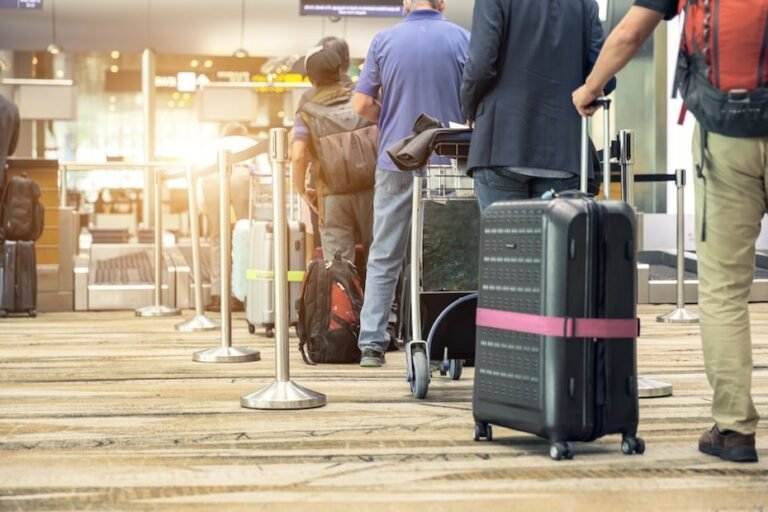
Business travel is all about getting the job done, plain and simple. It’s those trips where you’re heading out to seal deals, attend conferences, or meet clients face-to-face—think power suits and packed schedules.
From my experience, these journeys often feel like a sprint. You’re up at dawn for a flight, squeezing in meetings, and crashing late after networking dinners. According to recent stats, business travel spending is set to hit $316 billion in the U.S. alone this year, outpacing leisure in growth at around 4% annually. It’s not glamorous, but it fuels careers.
I remember my first big client trip to Chicago—nerves on edge, laptop in tow, but landing that deal made the jet lag worth it. It’s professional fuel, but it demands focus.
What Is Leisure Travel?
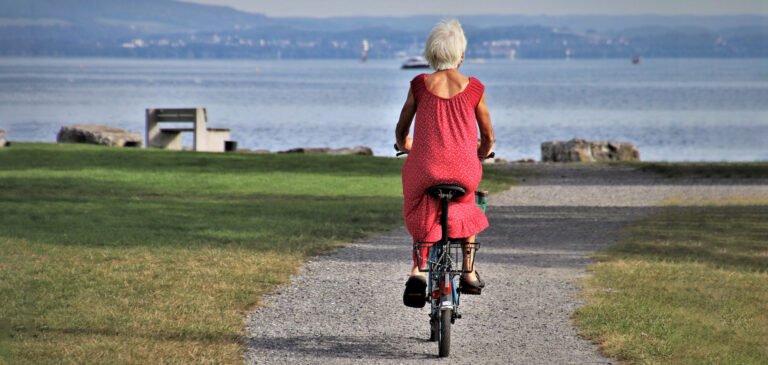
Leisure travel? That’s your ticket to recharge and roam free. It’s vacations with family, solo adventures, or just escaping the daily grind to soak in new sights and sounds—no agenda beyond enjoyment.
These trips let you breathe. You might linger over coffee in a Paris café or hike trails in the Rockies without a clock ticking. Leisure dominates travel spending at 69.8% in the U.S., with folks prioritizing relaxation and experiences over efficiency.
Picture this: My wife and I once ditched plans for a spontaneous beach day in Florida. No rush, just waves and laughter. It’s pure joy, reminding you why we chase horizons in the first place.
What Is Blended Travel?
Blended travel, or “bleisure” as the cool kids call it, mixes the best of both worlds—tack on vacation days to a work trip or work remotely from paradise. It’s the hybrid hack for modern life.
This trend exploded post-pandemic, with 54% of business travelers blending trips in 2024. The market’s booming toward $731 billion by 2032, thanks to remote work flexibility.
I’ve done this more times than I can count—extending a New York conference into a weekend exploring Central Park. It’s efficient, fun, and beats separate trips every time.
Defining Blended Travel More Clearly
At its core, blended travel means weaving work obligations into leisure pursuits seamlessly. You might attend a morning meeting then hit a museum afternoon—balance achieved.
It’s risen with hybrid jobs; 34% of Gen Z and Millennials plan to extend business trips for fun this year. No more rigid lines between suits and swimsuits.
For me, blending turned a dull Tokyo layover into a sushi feast and temple tour. Smart planning makes it magical.
Key Differences Between Business, Leisure, and Blended Travel
Spotting the contrasts helps you pick the right path for your next outing. Business is structured, leisure is loose, and blended is the middle ground—each with its vibe and demands.
These aren’t just labels; they shape everything from bookings to budgets. Business trips average 3.8 days, leisure stretches longer, and blended adds 1-2 personal days on average.
I’ve juggled all three, and the shift in mindset—from efficiency to exploration—is what keeps travel fresh.
Purpose and Motivation
Business travel drives professional goals like networking or deals; leisure seeks joy and rest; blended merges career wins with personal perks.
Motivations vary wildly—work for ROI, play for memories, mix for both. Stats show business grows 17% yearly through 2030, leisure at 11%.
In my sales days, purpose kept me sharp; now, blending adds heart to the hustle.
Planning and Booking
Business bookings are company-led, often last-minute via tools like corporate portals. Leisure? You hunt deals on your timeline. Blended requires splitting—work covers basics, you fund extras.
Leisure folks scour reviews (82% prioritize them); business sticks to policies. Blended needs clear expense lines.
I once botched a blended booking by mixing reimbursables—lesson learned: use apps to track.
Duration and Flexibility
Business trips are short and rigid, averaging under a week. Leisure can span weeks with wiggle room. Blended extends work stays, offering flexibility post-tasks.
Data shows business overnights up 3% from 2019, but leisure wins on length.
Flexibility saved my sanity on a blended Europe run—work Monday, wander Tuesday.
Cost and Budgeting
Business costs hit company books, often premium for speed. Leisure is budget-hunter territory, seeking value. Blended splits: employer pays work, you leisure—saving overall.
Business travelers spend more per night (£209 vs. £100 for leisure in the UK). Blended cuts duplicate flights.
Humor alert: My first blended trip? I underspent on fun, overspent on regrets—balance the wallet wisely.
Accommodations and Amenities
Business favors central hotels with Wi-Fi and gyms. Leisure eyes resorts or Airbnbs for pools and views. Blended seeks spots near work but with leisure access, like urban hotels with spas.
76% of business folks add leisure, craving extended-stay perks.
I love hotels bridging both—desk by day, rooftop bar by night.
Transportation Choices
Business opts for direct flights and rideshares for efficiency. Leisure embraces trains or drives for scenery. Blended uses work flights, then local fun like buses.
Airlines earn big from business (up to 75% profits), but blended boosts shoulder-season fills.
Direct flights saved my blended Barcelona trip from disaster—time is gold.
Activities and Itinerary
Business: Meetings, events. Leisure: Sightseeing, relaxation. Blended: Work mornings, adventures afternoons.
Leisure prioritizes packages; business skips them. Blended balances both.
A blended Vegas jaunt? Conference by day, shows by night—pure thrill.
Comparison of Business, Leisure, and Blended Travel
Let’s break it down side-by-side. This table highlights how they stack up across core elements, drawing from industry insights and my road-tested takes.
| Aspect | Business Travel | Leisure Travel | Blended Travel |
|---|---|---|---|
| Primary Focus | Professional goals, efficiency | Relaxation, exploration | Work + personal enjoyment |
| Typical Duration | 1-5 days, rigid | 7+ days, flexible | 4-10 days, extended work trip |
| Booking Style | Company-managed, last-minute | Self-planned, deal-seeking | Hybrid: Company for work, personal for fun |
| Cost Coverage | Employer-funded | Self-funded, budget-conscious | Split: Work reimbursed, leisure personal |
| Accommodations | Business hotels, central locations | Resorts, vacation rentals | Versatile spots with work/leisure access |
| Transportation | Direct flights, premium for speed | Scenic routes, economy options | Work flights + local leisure transport |
| Activities | Meetings, networking | Sightseeing, hobbies | Professional AM, leisure PM |
| Growth Trend | 17% annual to 2030 | 11% annual to 2030 | Market to $731B by 2032 |
This snapshot shows blended as the rising star—efficient yet enriching. I’ve used similar comparisons to pitch blending to my boss; it works.
Pros and Cons of Each Travel Type
No trip is perfect, right? Here’s the real talk on upsides and downsides, pulled from stats and my own mishaps. Business pushes careers but drains energy; leisure heals but costs time; blended shines but needs savvy splitting.
Pros and Cons of Business Travel
Pros:
- Builds networks and closes deals—face-to-face wins 90% more trust.
- Career booster; I’ve landed promotions from key trips.
- Employer covers costs, freeing personal funds.
Cons:
- Exhausting schedules lead to burnout—frequent flyers miss family events.
- Health risks from jet lag and crowds.
- Rigid, little downtime—once, I skipped a concert for emails.
Pros and Cons of Leisure Travel
Pros:
- Pure recharge; 83% report better well-being post-vacation.
- Flexible fun—spontaneous detours create memories.
- Price-sensitive deals abound; I scored a Bali bargain once.
Cons:
- Self-funded, so budgets stretch thin.
- Planning overload for groups.
- No professional perks; it’s all out-of-pocket joy.
Pros and Cons of Blended Travel
Pros:
- Cost-effective—extend without new flights, saving 30% on transport.
- Boosts satisfaction; 75% of execs endorse it for retention.
- Best of both—work in Rome, gelato after.
Cons:
- Expense splitting gets messy; blurred reimbursements cause audits.
- Duty of care gray areas for companies.
- Overpacking risk—laptop plus beach gear? Chaos, as I learned in Miami.
Blended edges out for me—pros outweigh cons with planning.
Trends in Travel: 2025 Outlook
Travel’s evolving fast, with blended leading the charge. Business rebounds stronger, leisure stays steady, but hybrids rule for flexibility.
By 2025, 57% of firms up business budgets, while bleisure hits 500% growth by 2033. Remote work fuels it all.
I’ve seen shifts firsthand—post-2020, everyone’s blending more. Sustainability’s big too; eco-friendly options rise across types.
Impact of Remote Work
Remote setups make blending seamless—work from anywhere, play nearby. 86% of leaders back it.
It transformed my routine; laptop on a café balcony? Game-changer.
Sustainability Considerations
All types face green pressure—business cuts emissions via virtual meets, leisure via trains, blended optimizes routes.
Carbon footprints drop 20% with smart blending. I offset flights now; feels right.
Best Tools for Planning Blended Travel
Want to nail a blended trip? Tools make it effortless. From AI planners to expense trackers, these streamline work-leisure mashups. (For more on tools, check TripIt.)
- TripIt: Auto-builds itineraries from emails—perfect for blending bookings. Free basic, Pro at $49/year for alerts.
- Navan: Corporate focus with personal perks; tracks split expenses seamlessly. Ideal for pros.
- Wanderlog: Map-based planning for routes and activities. Collaborative for groups, free tier shines.
- Skyscanner: Hunts deals across flights/hotels; “Everywhere” search sparks ideas.
- XE Currency: Real-time conversions for budgeting personal bits.
I swear by TripIt for my blends—saves hours, reduces stress. For bookings, Booking.com handles hotels with work/leisure filters.
People Also Ask (PAA)
Google’s got questions; I’ve got answers based on common searches and my travels. These cover curiosities like why airlines probe your purpose.
Why Do Airlines Ask If Your Trip Is Business or Leisure?
It’s partly data for marketing—business folks pay more, so they tailor offers. Also, affects seating; business gets priority if overbooked. I’ve said “business” to snag better spots, but it’s mostly analytics.
Why Do Hotels Ask If You’re Here for Business or Pleasure?
Hotels gauge needs—business wants quiet rooms, Wi-Fi; leisure seeks pools, late check-out. It helps upsell or refine marketing. Once, saying “pleasure” got me a spa discount—win!
What’s the Main Difference Between Business and Leisure Travelers?
Business prioritizes efficiency and proximity; leisure chases value and fun. Business spends more but books faster; leisure reviews obsessively. Blended? Both, smartly.
Can Business Travel Be Turned into Leisure?
Absolutely—extend stays or add family. 45% do it, boosting morale. Just clear policies first.
How Has Blended Travel Changed Post-Pandemic?
It’s surged with remote work; now half of business revenue for some airlines. More flexible, less burnout—my favorite shift.
FAQ
Got lingering questions? Here’s a roundup of real user queries I’ve fielded or seen online, answered straight.
What Percentage of Business Trips Include Leisure Extensions?
Around 45-54% in 2024, per surveys. It’s rising as companies embrace it for retention.
Is Blended Travel Cheaper Than Separate Trips?
Yes, often 20-30% savings on flights/hotels by extending. But track expenses to avoid reimbursement hassles.
How Do I Plan a Blended Trip Without Company Drama?
Review policies upfront—many allow extensions. Use tools like Navan for clear splits. I’ve shared itineraries with HR; transparency wins.
What’s the Best Destination for Blended Travel?
Cities like New York or London—business hubs with endless leisure. For me, Miami: conferences plus beaches.
Does Leisure Travel Improve Productivity Back Home?
Yep, studies show recharged workers boost output 20%. It’s why I blend—to return sharper.
There you have it—a roadmap through travel’s big three. Whether you’re plotting your next deal or daydream, remember: the best trips blend a bit of heart into the hustle. Safe travels!