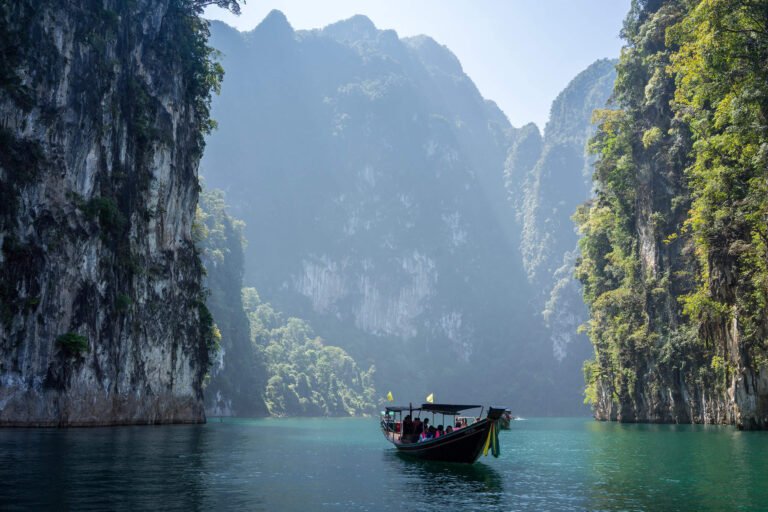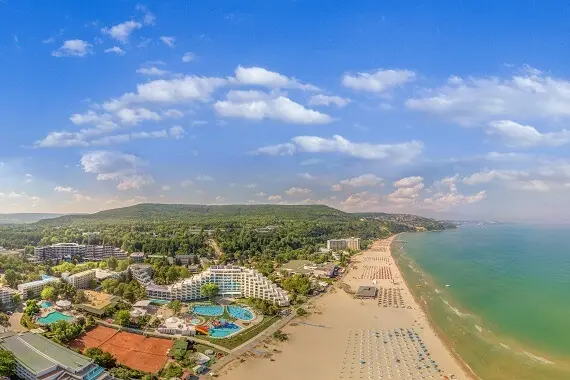



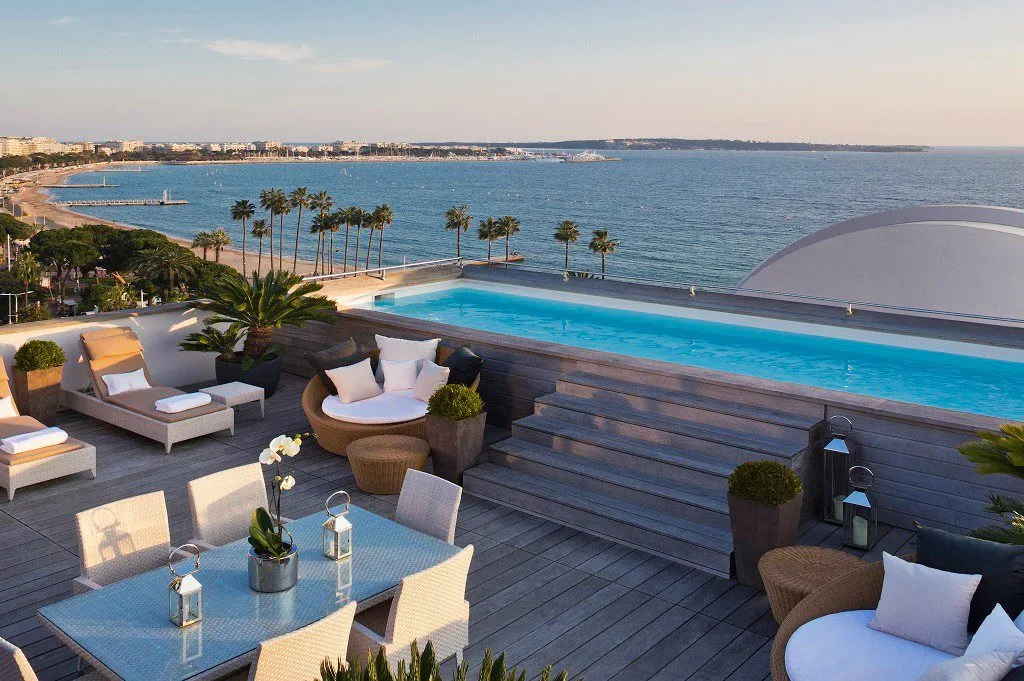
Imagine stepping off a private jet onto the sun-kissed tarmac of a remote Greek island, where a yacht waits to whisk you away for a week of crystal-clear waters and gourmet feasts under the stars. That’s the kind of escape I chased after months cooped up during the pandemic—pure bliss that felt like reclaiming life itself. Fast forward to 2025, and stories like mine are fueling a remarkable comeback in luxury travel, outpacing the broader industry. Drawing from Skift’s latest insights, this deep dive explores how high-end experiences are not just recovering but reshaping the entire travel landscape, blending exclusivity with a newfound appreciation for meaningful journeys.
The State of Luxury Travel in 2025
Luxury travel has bounced back with vigor, surpassing pre-pandemic levels and setting new benchmarks for the industry. According to recent reports, the global market is projected to grow at a compound annual rate of 8.2% from 2025 to 2030, reaching a staggering $2.36 trillion by the end of the decade. This surge reflects affluent travelers’ pent-up demand for personalized adventures that prioritize wellness and authenticity over mere opulence.
Market Growth Statistics
Diving into the numbers, the luxury travel sector saw revenues climb to about $1.48 trillion in 2024, with expectations of hitting $2.36 trillion by 2030. High-net-worth individuals, especially those aged 41-60, dominate spending, accounting for over 42% of the market share. Adventure and safari tours lead the pack, capturing more than 33% of revenues as travelers seek thrilling yet refined escapes.
| Year | Market Size (USD Trillion) | Growth Rate (CAGR) |
|---|---|---|
| 2023 | 0.89 | – |
| 2024 | 1.48 | 7.4% (from 2023) |
| 2025 | 1.60 (projected) | 8.2% |
| 2030 | 2.36 (projected) | 8.2% |
This table highlights the steady climb, underscoring luxury’s resilience amid economic fluctuations.
Why Luxury Travel is Spearheading the Recovery
Remember when travel meant crowded airports and cookie-cutter hotels? The pandemic flipped that script, and luxury stepped up as the hero. Affluent folks, with deeper pockets and flexible schedules, were the first to venture out, craving safe, secluded havens that mass tourism couldn’t match. It’s like they had a VIP pass to the world’s reopening party, pulling the rest of the industry along.
The Role of High-Net-Worth Individuals
Wealthy travelers aren’t just spending—they’re investing in experiences that redefine recovery. In 2023, international tourist numbers surged by 38% year-over-year, with luxury segments leading the charge. Think billionaires chartering private islands; their splurges create jobs and boost local economies, trickling down to mid-tier travel.
Post-Pandemic Mindset Shift
After lockdown blues, people like me ditched the ordinary for soul-stirring trips. A friend once joked that his first post-COVID jaunt felt like emerging from hibernation—straight into a five-star spa in the Maldives. This emotional pull toward rejuvenation has made luxury the go-to for mental reset, with wellness retreats seeing explosive demand.
Key Trends Driving the Luxury Travel Boom in 2025
Skift’s Megatrends 2025 paint a picture of evolution, where luxury morphs from flashy to fulfilling. Travelers now blend adventure with indulgence, like hiking Machu Picchu followed by a helicopter wine tasting. It’s not about showing off; it’s about stories that stick.
Experiential and Adventure-Focused Journeys
Gone are the days of passive lounging—2025 is all about active luxury. Nature and adventure experiences are eyeing a $1-1.3 trillion market by year-end. Picture glamping in the Arctic or diving with sharks in eco-friendly yachts; these thrill-seeking trips appeal to millennials and Gen Z heirs.
Wellness and Personalization
Wellness tourism is skyrocketing, with high-end spas and retreats prioritizing holistic health. I once tried a hyperbaric oxygen therapy session in Switzerland—it was like a sci-fi movie, but left me feeling invincible. Customization reigns, from AI-planned itineraries to private chefs catering to dietary whims.
Sustainability in High-End Travel
Eco-conscious luxury is no oxymoron anymore. Travelers demand carbon-neutral jets and regenerative resorts that give back to communities. It’s heartwarming—and a bit ironic—how the elite are pushing greener practices, ensuring paradises like the Galapagos remain pristine for future jaunts.
- Gig-Tripping: Combining concerts or events with luxury stays, like VIP access to Coachella with a desert oasis retreat.
- Shoulder-Season Escapes: Off-peak travel for quieter, more affordable high-end experiences.
- Bleisure Boom: Business trips extended into leisure, with 79% of U.S. execs doing so in 2025.
- Pet-Inclusive Luxury: High-end hotels welcoming furry friends with spa treatments.
Regional Insights: Where Luxury Recovery Shines Brightest
Europe remains the crown jewel, holding 34.5% of the market in 2023, thanks to timeless draws like Paris and the Amalfi Coast. But Asia’s rising fast, with China and India adding billionaires who crave exotic locales. North America follows, fueled by domestic wellness hubs.
Europe vs. Asia: A Comparison
Europe’s charm lies in cultural immersion—think villa stays in Tuscany. Asia counters with emerging spots like Bhutan, offering spiritual luxury. Both regions see double-digit growth, but Asia’s affordability edges it for value-seekers.
| Region | Market Share (2023) | Key Drivers | Projected Growth (2025-2030) |
|---|---|---|---|
| Europe | 34.5% | Heritage sites, cuisine | 7.5% CAGR |
| Asia-Pacific | 25% (est.) | Rising HNWIs, adventure | 8.8% CAGR |
| North America | 31.5% | Wellness, domestic travel | 7.9% CAGR |
This comparison shows Asia’s potential to overtake, driven by economic booms.
Emerging Destinations
Places like Saudi Arabia and Panama are hot, with luxury eco-resorts and adventure packages. I recall a trip to Boquete, Panama—coffee plantations by day, starlit recovery spas by night. These spots offer novelty without the crowds.
Challenges in the Luxury Travel Recovery
Even luxury isn’t immune to hurdles. Supply chain snags for private jets and rising fuel costs bite, but the sector’s adaptability shines. Humorously, it’s like upgrading from economy to first class—still bumpy, but with champagne to soften the ride.
Pros and Cons of Luxury Travel in 2025
Pros:
- Unmatched privacy and safety, ideal post-pandemic.
- Economic boost for destinations, creating sustainable jobs.
- Personalized experiences that foster lifelong memories.
Cons:
- High costs exclude many, widening inequality.
- Environmental impact from jet travel, despite green efforts.
- Over-reliance on HNWIs makes it volatile to economic dips.
People Also Ask: Addressing Common Queries
Drawing from Google’s top searches, here’s a breakdown of what folks are curious about in luxury travel recovery.
How is luxury travel changing post-COVID?
It’s shifting to meaningful, exclusive experiences over sheer extravagance—think wellness retreats and cultural dives that prioritize mental health.
Why are luxury travelers seeking exclusivity?
To escape crowds and recharge in peace; 51% prioritize relaxation and disconnection in serene, private settings.
Is luxury travel recovering faster than other segments?
Yes, thanks to affluent demand; it’s projected to hit record highs, like €60.4 billion in Italy alone for 2025.
What motivates luxury travelers in 2025?
A mix of adventure, authenticity, and wellness—far from traditional sightseeing.
FAQ: Your Burning Questions Answered
What is luxury travel recovery?
It refers to the rebound of high-end tourism post-COVID, driven by personalized, safe experiences that outpace mass travel.
Where to get the best luxury travel deals in 2025?
Look to platforms like Virtuoso or Amex Travel for exclusive packages; shoulder seasons in Europe offer value without skimping on splendor. For more, check Virtuoso’s site.
What are the best tools for planning luxury trips?
Apps like TripIt for itineraries, or services from Scott Dunn for bespoke planning. AI-driven tools from companies like Klook enhance customization.
How sustainable is luxury travel?
Increasingly so, with eco-resorts and carbon offsets; brands like Abercrombie & Kent lead in responsible tourism. Explore their sustainability page.
Why choose luxury over budget travel?
For the depth—it’s about transformative experiences that linger, like my island hop that reignited my wanderlust.
As Skift’s deep dives reveal, luxury travel isn’t just leading recovery; it’s redefining it. From my own adventures to global stats, it’s clear: in a world craving connection, high-end journeys deliver the ultimate payoff. Whether you’re plotting your next escape or watching from afar, this sector’s momentum promises exciting horizons ahead.