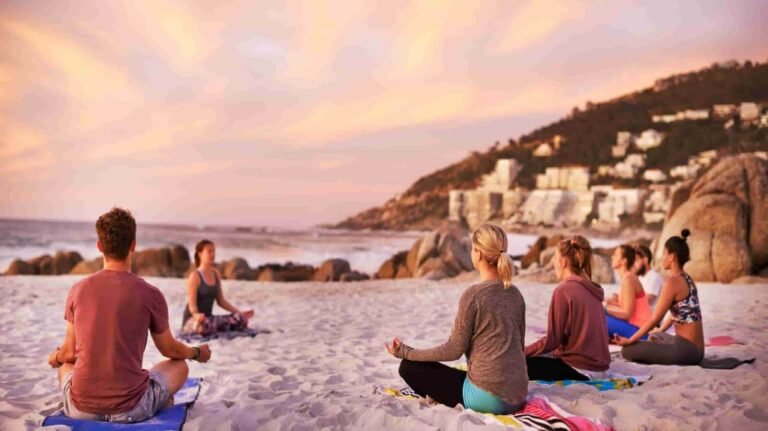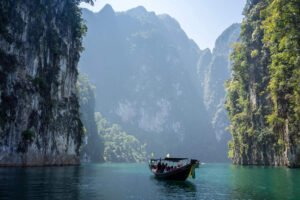




Imagine stepping off a plane, not into the chaos of a bustling city, but onto a sun-drenched beach where the only agenda is your well-being. That’s the magic I discovered on my first wellness trip to Bali years ago—trading deadlines for dawn yoga sessions and feeling truly alive again. Wellness tourism isn’t just a buzzword; it’s a movement that’s reshaping how we travel, blending adventure with self-care in ways that leave you refreshed rather than exhausted.
What is Wellness Tourism?
Wellness tourism involves traveling to destinations that prioritize your physical, mental, and spiritual health. It’s about proactive self-care, like joining a meditation retreat or soaking in natural hot springs, rather than just reacting to illness. Unlike medical tourism, which focuses on treatments for specific ailments, this is all about enhancing your overall well-being through experiences that nurture the body and soul.
The Rise of Wellness Tourism
This sector has exploded in popularity, especially post-pandemic, as people seek escapes that heal more than just jet lag. The global market hit $830 billion in 2023 and is projected to reach $1.3 trillion by 2025, driven by a craving for balance in our hectic lives. I remember chatting with fellow travelers who ditched party vacations for serene spots—it’s like the world collectively decided self-care is the new luxury.
Key Trends Shaping Wellness Tourism in 2025
From digital detoxes to sleep-focused retreats, 2025 trends emphasize personalized recovery. Think brain bootcamps in Switzerland or fertility programs in the Himalayas—travelers want tech-savvy wellness that fits their life stage. It’s humorous how we’ve gone from packing swimsuits to packing wearables that track our zen levels.
- Sleep Tourism: Destinations offering blackout rooms and sound therapy to combat insomnia.
- Menopause Retreats: Tailored programs with hormone-balancing activities, gaining traction among midlife travelers.
- Quiet Travel: Nature-rich spots for silence, like forest bathing in Portugal, to escape urban noise.
- AI-Personalized Experiences: Apps and resorts using data for custom wellness plans.
Benefits of Holistic Traveling
Holistic traveling recharges you in ways a standard vacation can’t, fostering long-term habits like mindfulness that stick around after you unpack. It reduces stress, boosts immunity, and even sparks creativity—I’ve come home from trips with fresh ideas that transformed my daily routine. Plus, it’s emotionally uplifting, connecting you with like-minded souls who share your journey toward better health.
Pros and Cons of Wellness Tourism
Pros:
- Deep relaxation and stress relief through activities like yoga or spa treatments.
- Opportunities for personal growth, such as learning meditation techniques.
- Healthier habits that extend beyond the trip, improving overall life quality.
- Supports local economies in eco-friendly ways.
Cons:
- Can be pricey, with luxury retreats costing thousands.
- Over-commercialization in popular spots might dilute authenticity.
- Travel fatigue if not planned well, especially for long-haul destinations.
- Potential for unrealistic expectations if results aren’t immediate.
Top Wellness Tourism Destinations for 2025
From Bali’s spiritual vibes to Mexico’s ancient rituals, 2025’s hotspots blend tradition with modern twists. The U.S. tops lists with over 10,000 wellness experiences, but Asia and Europe aren’t far behind. I once hiked New Zealand’s trails for that pure, invigorating air—it’s like nature’s own therapy session.
Comparing Popular Spots
Here’s a quick comparison of top destinations based on focus areas, accessibility, and cost:
| Destination | Primary Focus | Accessibility (Flights from Major Hubs) | Average Cost per Week | Unique Appeal |
|---|---|---|---|---|
| Bali, Indonesia | Yoga & Meditation | Direct from Asia/Europe; 15-20 hrs from US | $1,500-$3,000 | Spiritual temples and rice terraces for soulful escapes. |
| Tulum, Mexico | Beach Wellness & Cenotes | Direct from US; 2-4 hrs | $2,000-$4,000 | Bohemian vibes with sound healing and Mayan ruins. |
| Queenstown, New Zealand | Outdoor Adventure & Rejuvenation | Via Auckland; 20+ hrs from US | $2,500-$5,000 | Breathtaking landscapes for hiking and mindfulness. |
| Alicante, Spain | Spa & Nature Immersion | Direct from Europe; 8-10 hrs from US | $1,800-$3,500 | Mineral baths and wellness clinics with Mediterranean flair. |
| Phuket, Thailand | Massage & Detox | Direct from Asia; 15 hrs from US | $1,200-$2,500 | Affordable retreats with Thai herbal therapies. |
This table highlights how each spot caters to different intents—Bali for spiritual seekers, Tulum for beach lovers—making it easier to match your needs.
Types of Wellness Experiences to Try
Wellness tourism offers a smorgasbord of activities, from contrast therapy (hot-cold plunges) to canyon bathing in natural settings. On my Thailand adventure, a simple Thai massage melted away years of tension—it’s these small rituals that make the biggest impact.
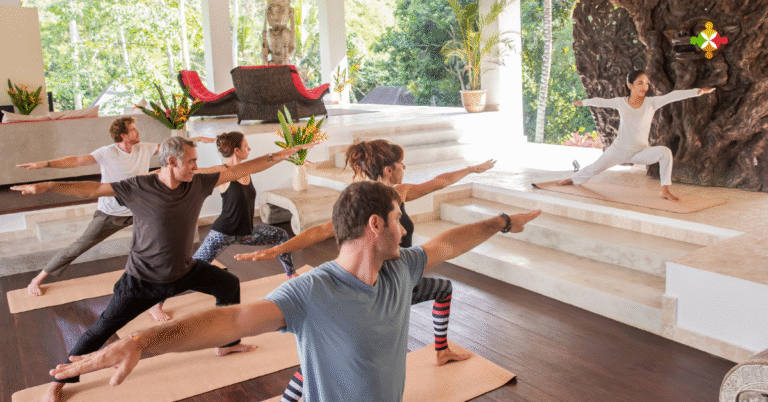
- Yoga Retreats: Daily sessions in scenic spots to build flexibility and calm.
- Spa Vacations: Indulge in massages, facials, and hydrotherapy.
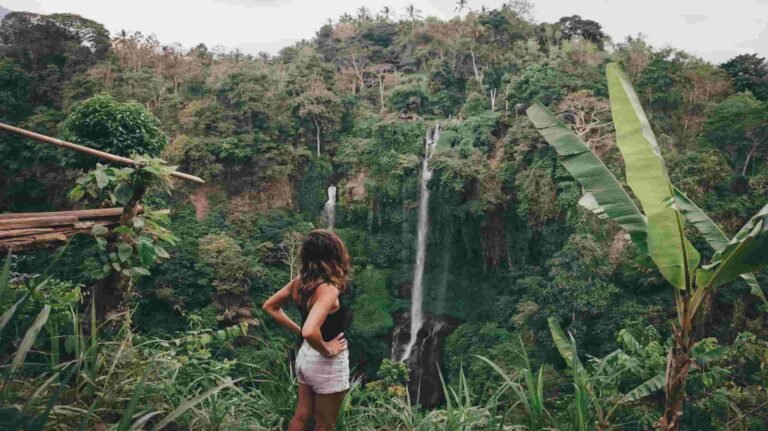
- Nature Immersions: Forest bathing or hiking for mental clarity.
- Culinary Wellness: Farm-to-table meals focusing on nutrition.
How to Plan Your Holistic Trip
Planning doesn’t have to be stressful—start with your goals, like stress relief or fitness. Research destinations via sites like TripAdvisor or BookRetreats.com for reviews. Book through trusted operators to ensure authenticity, and pack essentials like comfortable activewear.
Step-by-Step Guide
- Define Your Intent: Are you seeking relaxation or adventure? This narrows options.
- Budget Wisely: Factor in flights, accommodations, and activities—aim for all-inclusives to avoid surprises.
- Choose Sustainable Options: Opt for eco-friendly retreats to minimize your footprint.
- Prepare Mentally: Read up on local customs; apps like Calm can help pre-trip.
- Book Essentials: Use platforms like Expedia for flights or directly with resorts like SHA Wellness Clinic.
For the best tools, consider apps like Wellness Finder for retreat bookings or MyFitnessPal for tracking nutrition on the go.
Wellness Tourism vs. Traditional Vacations
Traditional vacations often mean sightseeing marathons that leave you needing a vacation from your vacation—think crowded landmarks and rushed itineraries. Wellness tourism flips the script, prioritizing rest and growth. While a beach holiday might offer passive relaxation, holistic trips include guided sessions for lasting benefits, though they require more intentionality.
People Also Ask
Drawing from common Google queries, here’s a breakdown of what folks are curious about:
- What is wellness tourism? It’s travel focused on enhancing personal well-being through activities like spas, yoga, or nature experiences, distinct from medical trips.
- What are examples of wellness tourism? Yoga retreats in Bali, hot springs in Japan, or detox programs in Thailand.
- Why is wellness tourism growing? Post-pandemic stress has boosted demand, with the market surging toward $1 trillion.
- What’s the difference between wellness and health tourism? Wellness is preventive and holistic; health tourism often involves medical procedures.
- What are the benefits of wellness tourism? Reduced stress, better health habits, and emotional connections—plus, it’s fun!
Integrating Wellness into Everyday Travel
You don’t need a full retreat; weave wellness into any trip. Stay at hotels with on-site gyms, like those in the U.S. offering mindfulness classes, or choose eateries with healthy menus. It’s about small shifts—like a morning walk in a new city—that turn ordinary jaunts into holistic adventures.
Challenges and How to Overcome Them
Not every wellness trip is perfect; jet lag or cultural adjustments can sneak in. Pack adaptogens or choose closer destinations to ease in. And watch for greenwashing—verify eco-claims via sites like Global Wellness Institute. Humorously, I’ve learned the hard way: that “detox juice” might taste like grass, but the glow-up is worth it.
FAQ
Q: How much does a wellness retreat cost?
A: Entry-level ones start at $1,000 per week, but luxury options can hit $5,000+, depending on location and inclusions.
Q: Is wellness tourism suitable for families?
A: Absolutely—many spots offer kid-friendly activities like family yoga or nature explorations to enrich everyone.
Q: What should I pack for a holistic trip?
A: Essentials include yoga mats, reusable water bottles, comfortable clothes, and journals for reflection.
Q: How do I find authentic wellness experiences?
A: Look for certifications from organizations like the Wellness Tourism Association and read traveler reviews.
Q: Can wellness tourism help with mental health?
A: Yes, through practices like meditation and therapy sessions, but it’s not a substitute for professional care.
As I reflect on my journeys, from Bali’s sunrises to New Zealand’s crisp air, wellness tourism has taught me that travel can be transformative. It’s not about escaping life but enhancing it—one mindful step at a time. Whether you’re a newbie or a seasoned seeker, dive in; your holistic adventure awaits. For more inspiration, check out the Global Wellness Institute’s resources or plan your next trip via trusted sites like Virtuoso.