


Hey there, fellow wanderer. Picture this: You’re scrolling through your feed, heart racing at clips of zip-lining over Costa Rican rainforests or trekking ancient Inca trails. Adventure travel calls to you like a siren’s song, promising thrills and stories that’ll outlast any souvenir. But with so many tour companies vying for your booking—Intrepid, G Adventures, Exodus, you name it—how do you pick the one that won’t leave you stranded or regretting your choice? I’ve been there, booking my first real adventure back in 2012: a white-water rafting trip down the Zambezi River with a group that felt like old friends by the end. That experience hooked me, but a later solo mishap in Patagonia taught me the hard way that not all operators are created equal. In this guide, I’ll walk you through the nitty-gritty, drawing from my own escapades and years of chatting with travelers worldwide. Let’s turn that excitement into a smart, unforgettable trip.
What Is Adventure Travel and Why Join a Tour Company?
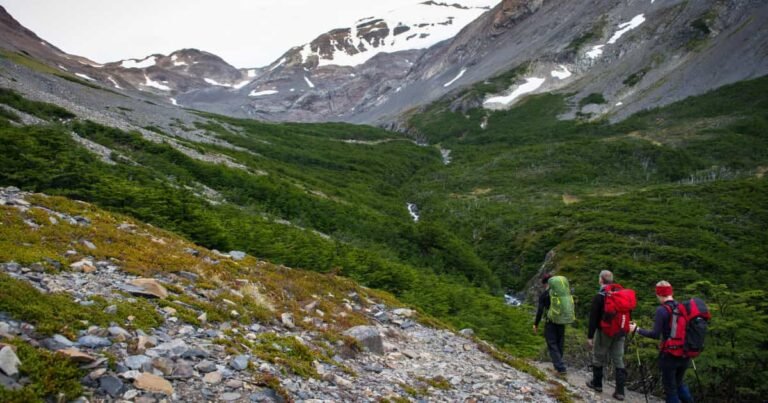
Adventure travel isn’t your grandma’s cruise—it’s about pushing boundaries with activities like hiking, kayaking, or safaris that get your blood pumping while immersing you in wild places. Think multi-day treks through Nepal’s Himalayas or wildlife spotting in Botswana’s Okavango Delta. Joining a tour company handles the chaos: permits, gear, guides, and logistics, so you focus on the rush. For beginners or those short on time, it’s a game-changer. I remember my Patagonia hike; without a solid operator, I’d have been lost in the wind-swept trails, fumbling maps instead of marveling at glaciers.
These companies blend structure with flexibility, often in small groups of 8-16 people, fostering bonds over campfires or shared adrenaline highs. They’re ideal if you’re solo but crave company, or traveling with family wanting safe thrills. But the key? Choosing wisely ensures your adventure amplifies joy, not frustration. From my trips, I’ve seen how the right one turns strangers into lifelong pals, while a bad pick can sour the whole vibe.
Assessing Safety: Your Non-Negotiable Priority
Safety isn’t sexy, but it’s the backbone of any great adventure. Start by checking if the company has robust protocols: emergency evacuation plans, first-aid trained guides, and insurance coverage for high-risk activities. Look for certifications like those from the Adventure Travel Trade Association (ATTA), which sets global standards. In my Zambezi rafting days, our operator’s swift response to a minor capsize—complete with safety kayaks and med kits—turned potential panic into a funny story. Always verify they carry liability insurance and require you to get personal travel insurance covering evacuations; some policies exclude “extreme sports,” so read the fine print.
Beyond gear, ask about guide-to-guest ratios and weather contingency plans. Reputable outfits monitor forecasts and have satellite phones for remote spots. Humor me here: I’ve dodged lightning storms in the Rockies thanks to a guide who knew when to bail, but I’ve heard horror tales of groups pushing on in bad conditions. Prioritize operators transparent about risks— they’ll brief you pre-trip, ensuring you’re informed, not blindsided.
Evaluating Reputation and Reviews: Digging for the Truth
Reputation is like a trail’s footprint; it shows where others have trod safely. Start with independent sites like TripAdvisor, Trustpilot, or TourRadar, aiming for operators with 4.5+ stars from hundreds of reviews. Focus on recent ones—2024-2025 feedback reflects current ops. My go-to? Cross-referencing Reddit threads (r/travel is gold) and Google reviews for unfiltered gems. For instance, after a meh experience with a lesser-known outfit in Morocco, I learned to spot red flags like inconsistent guide quality or hidden fees.
Don’t just skim stars; hunt for specifics on safety, itineraries, and value. Positive mentions of local hires and cultural respect? Green light. Complaints about disorganization or poor communication? Steer clear. Established players like Intrepid (B Corp certified since 2018) shine here, with decades of tweaks based on feedback. Pro tip: Email past customers via the company’s references if possible—it adds that personal touch.
Comparing Itineraries: Matching Your Adventure Style
Itineraries are the roadmap to your thrill; compare them like puzzle pieces fitting your vibe. Does the pace suit a newbie or seasoned pro? Look for daily breakdowns: How much hiking versus downtime? My Patagonia trek balanced tough days with chill evenings, preventing burnout. Check activity levels—easy (light walks), moderate (full-day hikes), or extreme (technical climbs)—and ensure they match your fitness. Platforms like TourRadar let you filter by style, from family-friendly safaris to solo backpacker epics.
Dive into inclusions: Meals, transport, gear rentals? Hidden costs kill budgets. Sustainable twists, like low-impact camps or community visits, add depth—I loved how my operator in Costa Rica supported local farms. Finally, flexibility matters; top companies allow tweaks, like optional side quests. This ensures your trip feels custom, not cookie-cutter.
Budget Breakdown: Value Over Cheap Thrills
Adventure travel isn’t backpacker-cheap, but smart budgeting uncovers gems. Prices range $1,500-$5,000 for 10-14 days, covering basics like lodging and guides. Factor in group size—smaller means pricier but intimate. My first budget tour in Thailand was $800 for two weeks, including hostels and street eats; it was fun but basic. Premium ones like Exodus add comfort (better tents, gourmet meals) for $3,000+.
Break it down: What’s included versus extras (tips, visas)? Seek all-in packages to avoid surprises. Compare value—does the rep justify the cost? Use tools like Travelstride for side-by-side pricing. Remember, skimping on safety or quality can cost more in regrets. Aim for mid-range for most; it’s where reliability meets affordability without luxury fluff.
Sustainability and Ethical Practices: Travel That Gives Back
In 2025, ethical adventure is table stakes—choose companies treading lightly. Look for carbon-neutral pledges (Intrepid’s been at it since 2010) and local hiring, funneling 70%+ of fees back to communities. My Borneo trip with G Adventures included village stays supporting indigenous crafts; it felt genuine, not exploitative. Check for ATTA membership or B Corp status, signaling real commitment over greenwashing.
Ask about waste policies, wildlife ethics (no elephant rides!), and conservation donations. Humor alert: Nothing kills the vibe like a plastic-choked beach after your “eco” surf tour. Prioritize transparency—top operators share impact reports. This way, your adventure heals the planet, not harms it.
Top Adventure Tour Operators: A Head-to-Head Comparison
Diving into specifics, let’s compare four heavy-hitters: Intrepid Travel, G Adventures, Exodus Adventure Travels, and Wilderness Travel. Each excels in small-group vibes but caters to nuances. Intrepid’s 1,000+ trips span 100 countries, emphasizing local immersion; G Adventures mirrors that with a social enterprise twist. Exodus shines in activity depth (hiking, biking), while Wilderness leans premium, custom expeditions. I’ve tried three—here’s the breakdown based on my runs and traveler chatter.
| Operator | Founded | Destinations | Group Size | Price Range (10-day trip) | Strengths | Weaknesses |
|---|---|---|---|---|---|---|
| Intrepid Travel | 1989 | 100+ countries | 8-12 | $1,500-$3,500 | Local guides, sustainable focus, flexible add-ons | Occasional third-party variability in remote spots |
| G Adventures | 1990 | 100+ countries | 10-15 | $1,200-$3,000 | Community tourism, diverse styles (classic to luxury), high energy | Can feel rushed on budget tiers |
| Exodus Adventure Travels | 1974 | 50+ countries | 8-16 | $2,000-$4,500 | Activity expertise (e.g., cycling tours), family options | Higher cost for premium gear/inclusions |
| Wilderness Travel | 1978 | 80+ countries | 6-12 | $3,000-$6,000 | Custom, expert-led (safaris, cruises), top-tier comfort | Less budget-friendly, fewer entry-level trips |
From my experience, G Adventures nailed affordability and fun in Costa Rica—zip-lines and beaches without breaking the bank. Intrepid’s Morocco tour immersed us in souks via local eyes, but Exodus edged out for my Alps hike with pro gear. Wilderness? Splurge-worthy for once-in-a-lifetime like Antarctica. Pick based on your wallet and wanderlust level.
Pros and Cons of Intrepid Travel
Intrepid’s ethos—positive change through travel—resonates deeply. Pros: Vast options, carbon-neutral ops, and authentic eats (think home-cooked tagines). Their small groups foster real connections, like the laughs over my botched Arabic phrases in Jordan. Cons: Some reviews note guide inconsistencies in outsourced spots, and basics like hostels suit rugged types only.
Pros and Cons of G Adventures
G’s “Chief Experience Officers” are stars—knowledgeable locals turning trips epic. Pros: Affordable entry, wildlife focus (Borneo orangutans were magical), and solo-friendly no-supplement policies. I bonded with a group of Aussies over rafts in New Zealand. Cons: Budget tiers mean simpler lodging; pace can overwhelm if you’re not fit.
Pros and Cons of Exodus Adventure Travels
Exodus pioneered activity holidays; their itineraries are gold. Pros: Tailored fitness levels, expert guides (my Dolomites trek leader was a mountaineer), and sustainable wins like low-emission transport. Family trips add kid-friendly tweaks. Cons: Pricier for the polish, and availability fills fast for peaks like Inca Trail.
Pros and Cons of Wilderness Travel
Wilderness crafts bespoke journeys with insider flair. Pros: Intimate groups, stellar food (glacier-side picnics!), and deep cultural dives—I teared up at a Masai village exchange. Top safety with pros. Cons: Premium pricing limits accessibility; best for splurgers.
People Also Ask
What should I look for in an adventure tour company?
Focus on experience (years in business), safety records, and inclusions like gear and meals. Check for local partnerships and sustainability—avoid outfits ignoring community impact. My tip: Prioritize certified guides; they turned my scary cliff walk in Iceland into confidence-building fun.
How do I know if an adventure tour is safe?
Scrutinize emergency protocols, guide certifications (e.g., wilderness first aid), and insurance. Read reviews for real mishap handling. In remote areas like the Amazon, ensure satellite comms. Trust your gut—if they dodge questions, bail. Safety saved my hide during a storm in Torres del Paine.
What are the best adventure travel companies for beginners?
Opt for Intrepid or G Adventures; their moderate tours ease you in with supportive groups. Look for “classic” styles with balanced activities. My first-timer friend raved about G’s Vietnam bike tour—gentle pace, lots of laughs, no overwhelm.
How much does an adventure tour cost on average?
Expect $150-$400 daily, varying by destination and luxury. Budget: $1,200-$2,500 for 10 days (basic lodging); mid: $2,500-$4,000 (comfort plus). Factor tips (10-15%) and extras. Value trumps cheap—my $2,000 Kenya safari beat a $1,000 dud hands down.
Are small group adventure tours worth it?
Absolutely—intimacy means personalized attention and fewer logistics hassles. Groups of 10-12 build camaraderie, like my rafting crew’s post-rapids beers. They’re pricier than solos but safer and richer in stories.
Final Steps: Booking Your Dream Adventure
You’ve weighed safety, scanned reviews, crunched budgets—now book with confidence. Contact the shortlisted companies; ask pointed questions on customizations and cancellations (aim for flexible policies). Secure travel insurance via sites like World Nomads (external link). For internal inspo, check my Patagonia gear guide (internal link). Last, pack heart-first: Adventures forge you, but the right company ensures you return whole. What’s your next quest? Hit the trails—you’ve got this.
FAQ
What’s the difference between Intrepid and G Adventures?
Both rock small-group ethics, but Intrepid edges in sustainability (B Corp pioneer), while G shines in diverse styles and community funds. I preferred G for energy, Intrepid for depth—try both for variety.
Do adventure tours include all meals and gear?
Most cover 70-90% of meals and essentials like helmets or tents, but check specifics. Budget tours might skip lunches; premiums include everything. My Exodus hike provided poles—huge win.
How fit do I need to be for adventure tours?
Varies: Easy for casual walkers, moderate for daily 5-10km hikes. Assess honestly—train with walks or yoga. Operators rate difficulty; start low if unsure, like my beginner raft.
Can families join adventure tours?
Yes! Companies like Exodus and Adventures by Disney offer kid tweaks (shorter days, fun twists). Ages 5+ common; my friends’ 10-year-old loved G’s African safari—wildlife wows all.
What if I need to cancel my adventure tour?
Look for free changes up to 60 days out. Force majeure (weather, strikes) often refunds fully. Buy cancellable insurance—saved me during a 2020 lockdown.