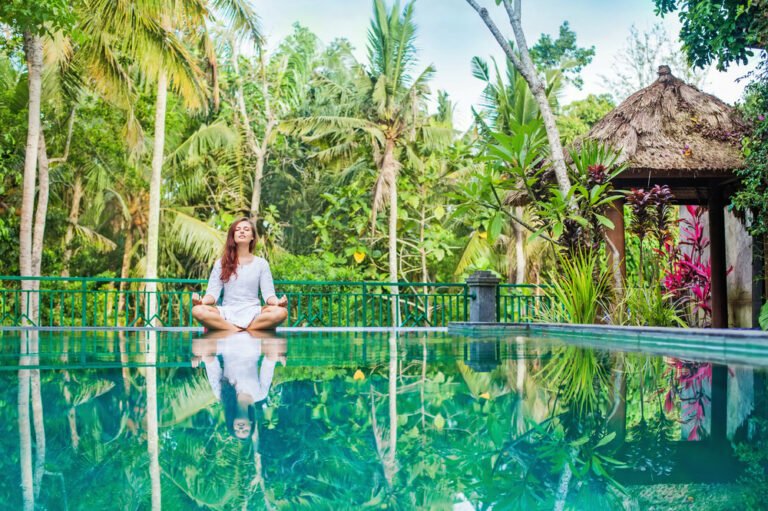




Imagine ditching the chaotic airport lines and overpacked suitcases for a journey that leaves you feeling reborn. That’s the magic of transformative wellness travel—it’s not just a vacation; it’s a reset button for your mind, body, and soul. I’ve chased that feeling myself, like the time I escaped to a quiet retreat in Costa Rica, where morning yoga sessions overlooking the jungle turned my stress into serenity. As we navigate a world obsessed with hustle, more people are turning to these experiences for genuine healing, sparking a booming industry that’s reshaping how we explore the globe.
What is Transformative Wellness Travel?
At its core, transformative wellness travel blends adventure with intentional self-care, focusing on holistic practices that spark personal growth. Unlike a typical beach holiday, it incorporates elements like mindfulness, nutrition, and cultural immersion to foster lasting change. Think of it as travel with a purpose—where you return home not just relaxed, but evolved.
The Difference from Traditional Vacations
Traditional trips often prioritize sightseeing and indulgence, leaving you exhausted upon return. Transformative wellness, however, emphasizes balance through activities like meditation retreats or nature therapy. It’s about inner exploration as much as outer discovery, turning a getaway into a catalyst for better habits.
Key Elements That Define It
Core components include personalized programs, expert-led sessions, and eco-friendly settings that promote sustainability. From breathwork workshops to spa therapies rooted in ancient traditions, these elements create a supportive environment for transformation. The goal? To align your physical health with emotional well-being in ways that stick long after the trip ends.
The Explosive Growth of Wellness Tourism
Wellness tourism has skyrocketed, with the global market hitting $954 billion in 2024 and projected to reach $974 billion by the end of 2025. This surge reflects a shift toward health-conscious living amid post-pandemic priorities. People aren’t just traveling—they’re investing in experiences that enhance longevity and mental clarity.
Statistics That Highlight the Boom
The industry is expected to grow at a compound annual rate of 9.3%, potentially surpassing $2 trillion by 2034. In the U.S. alone, wellness travel spending topped $300 billion last year, driven by millennials seeking meaningful escapes. Globally, 60% of consumers now prioritize health-focused trips, outpacing traditional leisure travel.
Factors Driving the Rise
Post-COVID awareness of mental health, coupled with remote work flexibility, has fueled demand for restorative getaways. Social media amplifies this, showcasing glowing testimonials from influencers who’ve found peace in far-flung retreats. Economic pressures also play a role—people view these trips as smart investments in their overall well-being.
Top Trends Shaping Transformative Wellness in 2025
2025 brings innovative twists, like AI-personalized itineraries and regenerative health practices that go beyond relaxation. Travelers crave authenticity, blending local cultures with cutting-edge bio-hacking for deeper impacts. It’s a year where wellness evolves from spa days to life-altering journeys.
Integration of Technology and Nature
Apps and wearables now track progress during retreats, merging data-driven insights with natural settings like forest bathing. This hybrid approach appeals to tech-savvy seekers wanting measurable results from their escapes. Humorously, it’s like your smartwatch whispering, “Great job on that hike—now breathe deeper!”
Focus on Mental and Emotional Healing
Programs emphasizing therapy, such as equine-assisted sessions or sound baths, address emotional baggage head-on. These experiences foster vulnerability, helping participants release old patterns. One retreat I attended featured group sharing circles that turned strangers into lifelong friends, proving healing thrives in community.
Sustainable and Eco-Conscious Practices
Eco-retreats prioritize low-impact activities, like zero-waste meals and carbon-neutral stays, aligning wellness with planetary health. This trend resonates with environmentally aware travelers who want their journeys to give back. It’s a win-win: rejuvenate yourself while supporting the earth.
Best Destinations for Transformative Wellness Experiences
From serene islands to mountainous hideaways, certain spots excel in delivering profound shifts. Bali’s spiritual vibe draws yogis, while Iceland’s geothermal wonders offer unique thermal therapies. These places aren’t just beautiful—they’re designed for introspection and renewal.
Bali, Indonesia: Spiritual Haven
Bali’s lush landscapes host retreats blending yoga, Balinese healing, and temple visits for soul-deep transformation. Affordable yet luxurious, it’s ideal for first-timers seeking cultural immersion. My own Bali trip involved a silent meditation that quieted my racing thoughts like nothing else.
Costa Rica: Nature’s Playground
With its rainforests and beaches, Costa Rica offers adventure-infused wellness like zip-lining followed by herbal detoxes. Retreats here emphasize biodiversity, promoting eco-therapy for stress relief. It’s perfect for active souls wanting to connect with nature’s rhythm.
The Maldives: Oceanic Serenity
Luxury resorts in the Maldives provide overwater spas and marine-based programs, like the Ritz-Carlton’s Blue Prescription journey. Crystal-clear waters enhance mindfulness dives, making it a top pick for aquatic healing. The isolation amplifies introspection, turning solitude into strength.
Comparing Wellness Travel Options
Wellness travel varies by type—some focus on luxury, others on budget-friendly group experiences. Luxury retreats offer personalized care but at a premium, while community-based ones build connections affordably. Choosing depends on your goals: solitude or shared growth?
| Type of Wellness Travel | Key Features | Average Cost (per week) | Best For |
|---|---|---|---|
| Luxury Spa Retreats | Private sessions, gourmet meals, high-end amenities | $5,000+ | Deep relaxation and exclusivity |
| Adventure Wellness | Hiking, yoga in nature, group activities | $2,000-$4,000 | Active explorers seeking thrill |
| Budget Eco-Retreats | Shared accommodations, DIY wellness practices | Under $2,000 | Conscious travelers on a dime |
| Medical Wellness | Bio-hacking, therapies like cryotherapy | $3,000-$6,000 | Health-focused transformations |
Pros and Cons of Luxury vs. Budget Wellness Trips
Luxury pros include tailored expertise and comfort, but cons involve high costs and potential isolation. Budget options foster community and accessibility—pros for relatability—yet may lack polish. Ultimately, both deliver value if aligned with your needs.
- Pros of Luxury: Expert guidance, serene privacy, lasting results.
- Cons of Luxury: Expensive, less social interaction.
- Pros of Budget: Affordable entry, group bonding, authentic vibes.
- Cons of Budget: Basic facilities, variable quality.
Real-Life Stories of Transformation
Hearing from others can inspire your own journey. Take Sarah, a busy executive who visited Ananda in the Himalayas—post-retreat, she quit her toxic job for a fulfilling career in coaching. Or Mike, who found emotional release through equine therapy in Australia, mending family ties. These tales remind us: wellness travel isn’t fluff; it’s life-changing.
My Personal Costa Rica Awakening
Years ago, overwhelmed by city life, I booked a last-minute retreat in Costa Rica. Daily jungle hikes and plant-based meals shifted my perspective—I laughed at how I’d ignored my body’s signals before. That trip sparked a habit of weekly nature walks, proving small changes ripple outward.
Emotional Appeals from Fellow Travelers
Many share tearful breakthroughs, like overcoming anxiety through desert silence in Morocco. It’s emotionally stirring to realize you’re not alone in seeking more from life. With light humor, one friend quipped, “I went for the yoga, stayed for the epiphanies—and the smoothies!”
People Also Ask (PAA) Section
Based on common Google queries, here are real questions travelers are asking about transformative wellness travel.
What is the meaning of transformative travel?
Transformative travel refers to journeys that inspire personal growth, often through immersive cultural or wellness experiences that challenge and change your worldview. It’s about returning different—wiser, healthier, more connected.
Why is wellness tourism growing?
Wellness tourism grows due to increased health awareness, stress from modern life, and a desire for meaningful escapes, with the market expanding 9% annually. Post-pandemic, people prioritize preventive care over mere relaxation.
What are examples of wellness tourism?
Examples include yoga retreats in India, spa getaways in Thailand, or bio-hacking sessions in Switzerland—activities focused on physical, mental, and spiritual rejuvenation.
Where is the best place for wellness travel?
Top spots include Bali for spiritual depth, the Maldives for oceanic calm, and Iceland for geothermal healing—each offering unique paths to transformation.
How to Plan Your Own Wellness Journey
Start by assessing your needs—stress relief? Physical fitness? Research reputable retreats via sites like BookRetreats.com for options. Book through trusted operators to ensure safety and quality.
Best Tools and Resources
Use apps like TripAdvisor for reviews or WellnessFinder for curated listings. For bookings, platforms like Health Travel offer specialized packages. Internal link: Check our guide to budget wellness tips.
Transactional Tips: Booking the Best Retreats
Opt for all-inclusive deals at places like Six Senses or COMO Shambhala for seamless experiences. Look for promotions on sites like Expedia or direct resort bookings to snag deals on transformative programs.
FAQ
What makes wellness travel transformative?
It combines self-care with experiential learning, leading to personal breakthroughs unlike standard trips. Focus on holistic practices ensures lasting positive changes.
How much does a wellness retreat cost?
Costs range from $1,000 for budget options to $10,000+ for luxury, depending on location and duration. Factor in add-ons like flights.
Is wellness travel suitable for families?
Yes, many retreats offer kid-friendly programs emphasizing education and family bonding through wellness activities.
What are the health benefits of wellness tourism?
Benefits include reduced stress, improved fitness, better sleep, and enhanced mental clarity, backed by studies showing long-term well-being gains.
How to choose the right wellness destination?
Match it to your goals—nature for grounding, culture for inspiration—and read reviews on trusted sites like Global Wellness Institute.
As transformative wellness travel continues to rise, it’s clear this isn’t a fad—it’s a movement toward healthier, more intentional living. Whether you’re dipping your toes in with a weekend spa escape or diving deep into a month-long retreat, the rewards are profound. I encourage you to take that step; who knows what version of yourself you’ll bring back? For more insights, explore our related articles on sustainable travel.