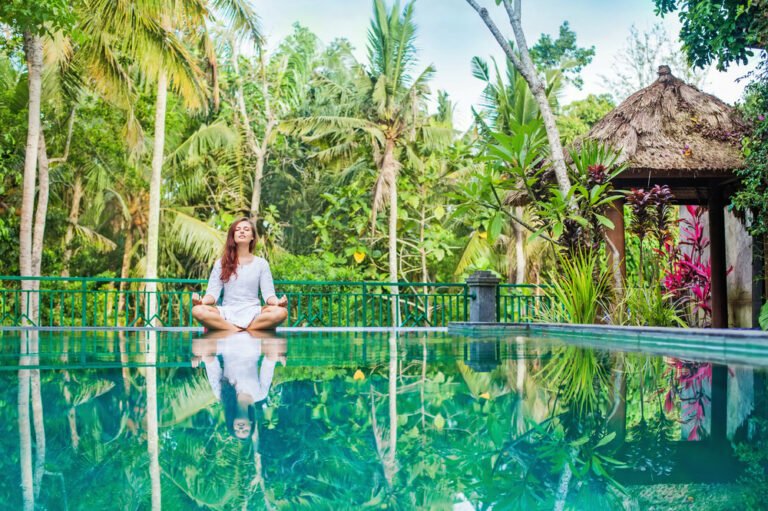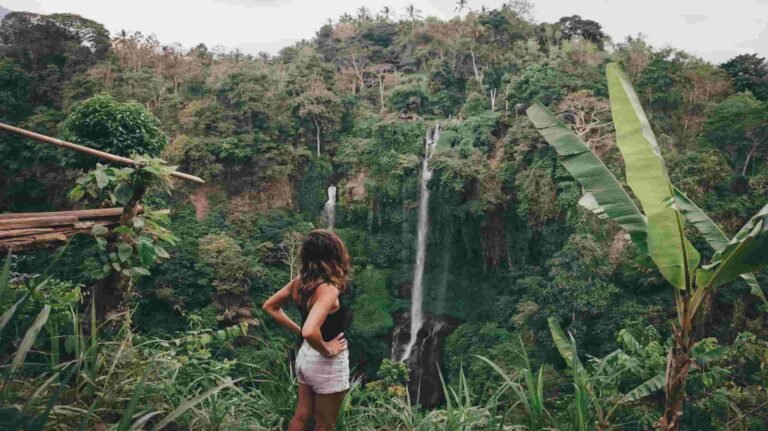



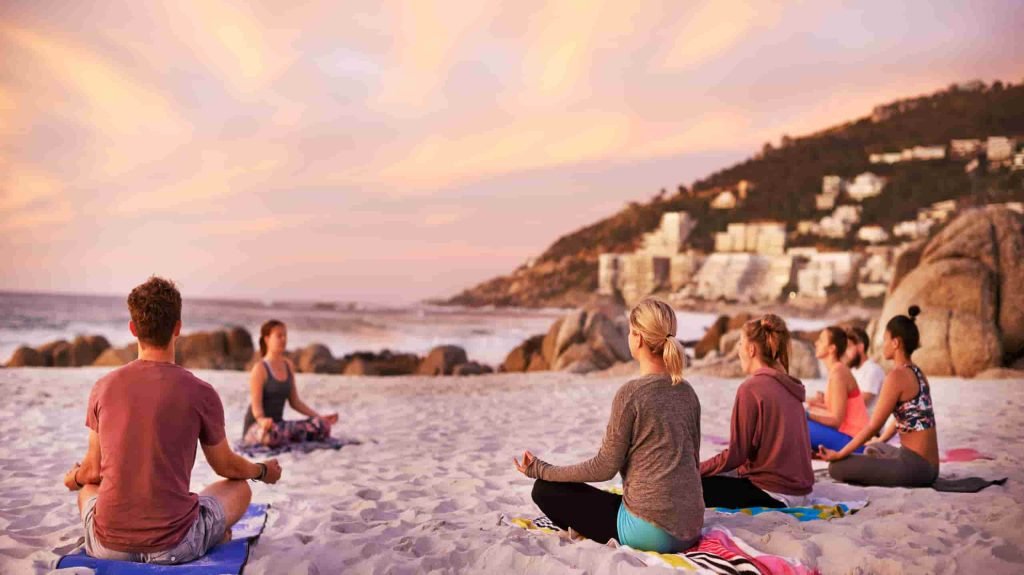
Imagine this: A few years back, I was burned out from a hectic job, staring at my screen until my eyes blurred. That’s when I booked a spontaneous trip to Costa Rica—not for the beaches, but for a yoga retreat nestled in the rainforest. Mornings started with sun salutations amid chirping birds, afternoons involved hiking through lush trails, and evenings were all about farm-to-table meals that made me feel alive again. That experience didn’t just recharge me; it shifted how I saw travel. Wellness tourism isn’t about ticking off landmarks; it’s about coming back better than you left. And surprisingly, it’s as kind to the Earth as it is to your soul.
What is Wellness Tourism?
Wellness tourism involves traveling specifically to boost your physical, mental, or spiritual health, blending adventure with self-care routines like yoga or spa treatments. It’s grown massively, with the market hitting $817 billion in 2022, as people seek escapes that nurture rather than exhaust. Unlike a typical vacation, it focuses on long-term well-being, turning trips into transformative journeys.
The Rise of Wellness Travel
Post-pandemic, folks craved more than sightseeing; they wanted healing. Reports show wellness trips surged by 20% in recent years, driven by stress relief and holistic health trends. It’s no wonder—imagine swapping city chaos for a serene retreat where every activity feeds your vitality.
Benefits for Personal Health
Diving into wellness tourism feels like hitting a reset button on your body and mind. From improved sleep to sharper focus, the perks stack up quickly. My Costa Rica adventure left me sleeping like a baby for weeks after, proving these trips deliver real, lasting gains.
Physical Health Advantages
Activities like hiking or spa therapies build strength and boost immunity, often in natural settings that encourage movement without feeling forced. Studies highlight how such travel enhances fitness levels and even cognitive function through fresh air and nutrition-focused meals. It’s like a gym membership, but with ocean views and zero monotony.
Mental and Emotional Perks
Stress melts away in mindfulness sessions or digital detoxes, fostering better mood and resilience. Emotional appeals come through connections—sharing stories around a bonfire builds bonds that combat loneliness. Humorously, I once tried meditation and ended up giggling at my wandering thoughts, but it taught me patience like nothing else.
- Reduced Anxiety: Retreats often include guided breathing, cutting cortisol levels by up to 20%.
- Boosted Happiness: Cultural immersion adds joy, with many reporting higher life satisfaction post-trip.
- Personal Growth: Challenges like rock climbing push boundaries, sparking self-discovery.
Benefits for the Planet
Wellness tourism isn’t just self-indulgent; it’s eco-conscious, promoting destinations that prioritize sustainability. By choosing green retreats, travelers support conservation, turning vacations into votes for a healthier Earth. It’s a win-win—feel good while doing good.
Environmental Sustainability in Wellness Travel
Many spots emphasize low-impact activities, like eco-lodges using solar power or retreats planting trees per guest. This reduces carbon footprints and preserves biodiversity, ensuring future generations enjoy the same serene spots. Think of it as tourism that heals the land, not harms it.
Economic Boost for Local Communities
Funds flow to indigenous guides and organic farmers, bolstering economies without exploitation. In places like Bali, wellness dollars fund community projects, creating jobs and cultural preservation. It’s tourism with heart, where your spa day helps a village thrive.
Pros and Cons of Wellness Tourism
Pros:
- Enhances personal health holistically.
- Supports eco-friendly practices and local economies.
- Offers unique, memorable experiences beyond standard travel.
Cons:
- Can be pricier than regular vacations.
- Overcrowding in popular spots risks environmental strain.
- Not always accessible for those with mobility issues.
Comparing Wellness Tourism to Traditional Travel
Traditional tourism often means packed itineraries and jet lag, leaving you more tired than refreshed. Wellness travel flips that, prioritizing rest and rejuvenation over checklists. For instance, a sightseeing trip to Paris might involve endless walking and crowds, while a wellness escape there could mean yoga in parks and healthy café hops. The key difference? One drains energy; the other restores it, with wellness often incorporating sustainable elements like bike tours instead of buses.
| Aspect | Wellness Tourism | Traditional Tourism |
|---|---|---|
| Focus | Health and balance | Sightseeing and entertainment |
| Activities | Yoga, hikes, spas | Museums, shopping, nightlife |
| Impact on Health | Improves physical/mental well-being | Can cause fatigue/stress |
| Environmental Footprint | Low, eco-focused | Higher, with mass transit |
| Cost | Moderate to high | Varies, often lower |
Top Wellness Destinations in 2025
Planning a wellness getaway? Look to spots blending nature, culture, and cutting-edge therapies. From rainforests to hot springs, these places offer navigational gems for soul-searching travelers. Pro tip: Book early—2025 trends predict a boom in regenerative retreats.
Costa Rica: Nature’s Playground
This Central American haven tops lists with its biodiverse parks and eco-resorts. Think zip-lining for adrenaline or thermal springs for relaxation—perfect for rejuvenating amid volcanoes. It’s where adventure meets serenity, ideal for first-timers.
Bali, Indonesia: Spiritual Haven
Bali’s rice terraces and temples draw yogis worldwide, with retreats offering Ayurvedic treatments. The island’s vibe encourages introspection, plus beaches for downtime. It’s affordable luxury, blending ancient wisdom with modern wellness.
Japan: Onsen and Mindfulness
Japan’s hot springs (onsen) and forest bathing provide profound calm. Cities like Kyoto mix urban spas with traditional tea ceremonies. For 2025, expect tech-infused experiences like AI-guided meditations in serene settings.
- Thailand: Affordable spas and detox programs in tropical paradises.
- Tulum, Mexico: Mayan ruins paired with beach yoga for cultural depth.
- India: Birthplace of yoga, with ashrams in the Himalayas for deep dives.
How to Get Started with Wellness Tourism
Wondering where to begin? Start by assessing your needs—stress relief or fitness boost? Navigational tools like TripAdvisor or specialized sites help find retreats. For transactional ease, apps like Mindbody book classes worldwide, ensuring seamless planning.
Best Tools for Booking Wellness Experiences
Platforms like Wellness Escapes curate tailored trips, while apps such as Calm integrate travel guides with meditations. For eco-options, use Booking.com’s sustainable filters. These make arranging everything from flights to facials a breeze, saving time and money.
People Also Ask
Drawing from common searches, here are real questions folks Google about wellness tourism, answered briefly for quick insights.
What is wellness tourism?
It’s travel aimed at enhancing personal well-being through activities like yoga or spas, distinct from medical trips.
Why is wellness tourism growing?
Rising stress levels and health awareness fuel its boom, with projections hitting $9 trillion by 2028 in the wellness economy.
What are the benefits of wellness tourism?
From immunity boosts to mental clarity, it offers holistic health gains while supporting sustainable practices.
Where are the best wellness destinations?
Top picks include Costa Rica for nature, Bali for spirituality, and Japan for onsen experiences in 2025.
How does wellness tourism help the environment?
It promotes eco-friendly resorts and local conservation, reducing tourism’s negative impacts.
FAQ
Is wellness tourism expensive?
Not always—budget options exist in places like Thailand, starting at $500 for a week-long retreat. Compare packages on sites like Wellness Tourism Association for deals.
Can wellness tourism improve mental health?
Absolutely; activities like meditation reduce anxiety and enhance mood, with studies showing lasting effects up to six weeks post-trip.
What makes a destination great for wellness?
Natural beauty, sustainable practices, and diverse activities like hikes or cultural immersions. Check our guide on top eco-retreats for ideas.
How to choose the right wellness retreat?
Match it to your goals—yoga for flexibility or detox for cleansing. Read reviews on TripAdvisor and consult advisors for personalized fits.
Does wellness tourism support local communities?
Yes, by channeling funds to small businesses and conservation, it fosters economic growth without cultural erosion.
Wrapping up, wellness tourism transformed my outlook— from that Costa Rican escape to smaller getaways since. It’s not just a trend; it’s a movement toward healthier lives and a greener planet. Next time you’re planning a trip, skip the frenzy and opt for renewal. Your body, mind, and the Earth will thank you.