


Imagine standing on the edge of a roaring waterfall in Costa Rica, heart pounding as you zip-line across the canopy, mist spraying your face while monkeys chatter overhead. That was my first real taste of adventure travel back in 2018, a spontaneous trip that turned me from a cautious desk jockey into someone who craves the thrill of the unknown. It wasn’t just about the adrenaline; it was the stories I brought home, the locals I met, and the way it reshaped how I see the world. If you’re curious about diving into this exhilarating style of exploration, this guide breaks it all down—from the basics to planning your own epic journey—drawing on real experiences and insights to help you get started.
What Exactly is Adventure Travel?
Adventure travel isn’t your typical beach vacation with piña coladas and lounge chairs; it’s about stepping outside your comfort zone to engage with the world in active, immersive ways. Think hiking rugged trails, kayaking remote rivers, or exploring hidden cultures that demand a bit of grit and curiosity. At its core, it’s tourism that blends physical challenges, cultural exchanges, and nature connections, often in off-the-beaten-path spots where the reward is personal growth alongside stunning views. Whether you’re a solo wanderer or joining a group, the focus is on experiences that push boundaries without requiring you to be an extreme athlete.
The Evolution of Adventure Travel
This style of travel traces back to ancient explorers like Marco Polo, but it really took off in the 20th century with folks like Ernest Shackleton’s Antarctic expeditions inspiring modern thrill-seekers. Today, thanks to affordable flights and social media, it’s exploded in popularity, evolving from elite pursuits to accessible options for everyday people. What started as survival-driven journeys has become a billion-dollar industry emphasizing sustainability and local empowerment.
Key Types of Adventure Travel
From soft adventures like scenic bike rides to hardcore feats like mountaineering, the spectrum is wide to suit different fitness levels and interests. Soft options appeal to beginners with minimal risk, while hard adventures demand skills and preparation for things like rock climbing or white-water rafting. No matter the type, the common thread is that spark of excitement that makes you feel truly alive.
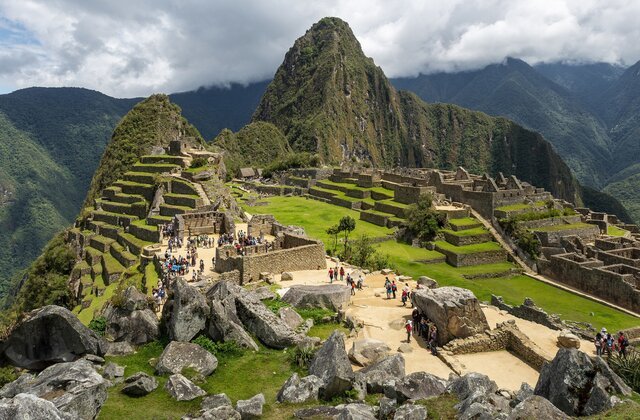
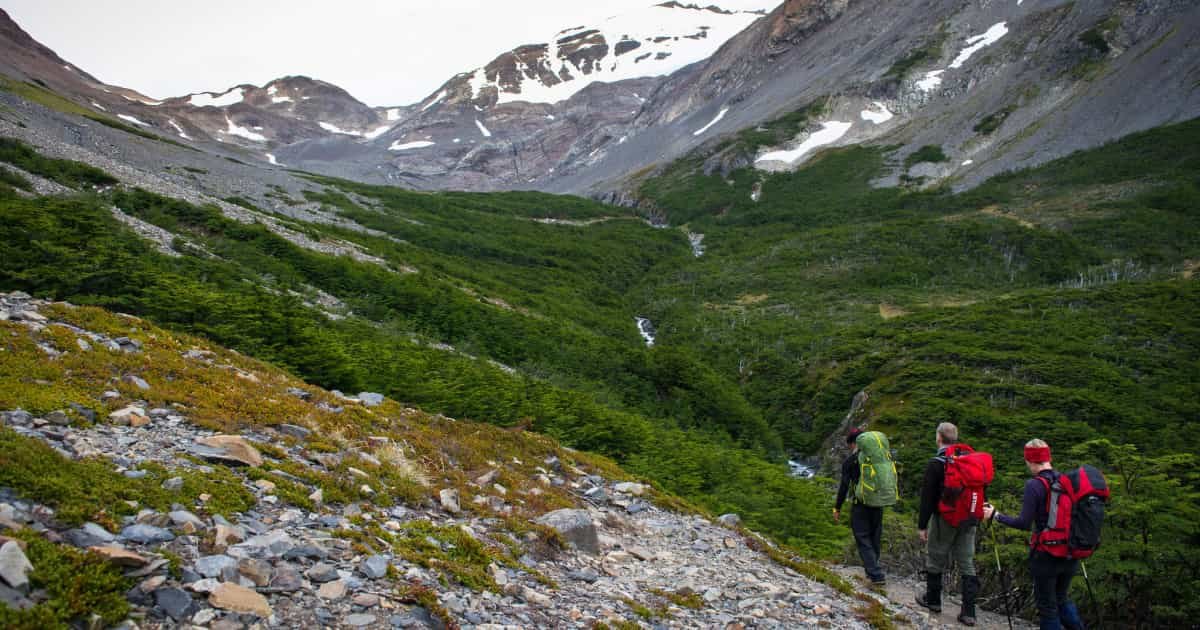
- Trekking and Hiking: Wandering through national parks or mountain paths, like the Inca Trail to Machu Picchu.
- Water-Based Activities: Kayaking, scuba diving, or rafting in places like the Grand Canyon or Great Barrier Reef.
- Cycling and Biking: Pedaling through scenic routes, from Tuscany’s hills to Vietnam’s countryside.
- Wildlife Safaris: Spotting animals in their habitats, such as African savannas or Antarctic cruises.
- Cultural Immersions: Living with indigenous communities, learning crafts, or volunteering in remote villages.
Why Choose Adventure Travel Over Traditional Vacations?
Picture swapping a crowded resort pool for a sunrise hike up a volcano— that’s the allure, offering deeper connections and memories that linger far longer than a tan. It’s not just fun; studies show it boosts mental health by reducing stress and building resilience through new challenges. Plus, in a world of screen time, it reconnects you with nature and people in ways that feel profoundly human.
Pros and Cons of Adventure Travel
Like any choice, it has its upsides and potential pitfalls, but weighing them helps decide if it’s right for you.
Pros:
- Builds confidence and skills through overcoming obstacles.
- Fosters meaningful friendships with like-minded travelers.
- Supports local economies and promotes eco-friendly practices.
- Improves physical fitness naturally, without gym boredom.
- Delivers unique stories that make for great dinner party tales.
Cons:
- Higher risk of injury or weather disruptions.
- Can be more expensive due to gear or guides.
- Requires flexibility for unexpected changes.
- Physical demands might exclude some health conditions.
- Environmental impact if not done sustainably.
Top Adventure Travel Destinations for 2025
As borders reopen and trends shift toward sustainable spots, 2025 promises fresh horizons for adventurers seeking uncrowded gems. From Asia’s hidden trails to Africa’s wildlife havens, these places blend thrill with cultural depth, perfect for post-pandemic escapes. I remember getting lost (intentionally) in New Zealand’s fjords—pure magic that felt worlds away from daily life.
| Destination | Key Activities | Best Time to Visit | Why Go in 2025 |
|---|---|---|---|
| Patagonia, Chile/Argentina | Hiking glaciers, kayaking fjords | November–March | Emerging eco-tourism focus with fewer crowds. |
| Bhutan | Trekking Himalayan paths, cultural festivals | March–May, September–November | Limited entry keeps it pristine and authentic. |
| Iceland | Volcano hikes, Northern Lights chasing | June–August | New geothermal adventures post-eruptions. |
| Namibia | Desert safaris, dune boarding | May–October | Wildlife viewing at its peak with sustainable lodges. |
| Japan | Cycling rural trails, onsen soaks | April–May, October–November | Blossoming cherry or fall foliage adds magic. |
| Costa Rica | Zip-lining, wildlife spotting | December–April | Biodiversity hotspots with adventure for all levels. |
| Norway | Fjord kayaking, midnight sun hikes | June–August | Electric ferries make it greener than ever. |
| Uzbekistan | Silk Road treks, ancient city explorations | April–June, September–October | Rising star for cultural adventurers. |
| Antarctica | Expedition cruises, penguin encounters | November–March | Climate-focused tours highlight conservation. |
| New Zealand | Multi-day tramps, bungee jumping | December–February | Revived trails post-COVID for epic scenery. |
How to Plan Your First Adventure Travel Trip
Planning doesn’t have to be overwhelming; start small and build from there, like I did with a weekend hike that snowballed into international jaunts. Focus on your interests, budget, and fitness to craft a trip that’s thrilling yet realistic. With tools like apps and forums, you can map it out step by step for a seamless experience.
- Define Your Goals: Decide on soft or hard adventure, solo or group, and set a budget including gear.
- Research Destinations: Use sites like Lonely Planet for safety, weather, and visa info.
- Book Essentials: Secure flights, accommodations, and tours early—consider eco-friendly options.
- Gear Up: Invest in basics like sturdy boots or a waterproof jacket; rent specialized items.
- Prepare Physically: Train with hikes or classes to match the trip’s demands.
- Pack Smart: Layer clothing, include first-aid, and leave room for souvenirs.
- Stay Safe: Get insurance, share itineraries, and learn basic local phrases.
- Embrace Flexibility: Weather or surprises happen—have backups for fun detours.
- Reflect Post-Trip: Journal experiences to plan better next time.
Best Adventure Travel Companies for Guided Tours
If DIY feels daunting, companies like G Adventures or Intrepid handle logistics while ensuring ethical practices, letting you focus on the fun. They’ve got options for all budgets, from budget backpacker groups to luxury small-ship cruises. I joined one in Peru and loved how the guide turned potential mishaps into hilarious stories.
Comparing Top Adventure Tour Operators
Here’s a quick comparison to help choose based on your style.
| Company | Focus | Group Size | Price Range | Unique Perk |
|---|---|---|---|---|
| G Adventures | Sustainable, community-focused | 8–16 | $$ – $$$ | Lifetime deposit policy. |
| Intrepid Travel | Authentic local experiences | 10–12 | $$ | Carbon-neutral trips. |
| Backroads | Active biking/hiking | 16–20 | $$$ | Luxury accommodations. |
| Overseas Adventure Travel | Cultural depth for 50+ | 10–16 | $$ – $$$ | Solo traveler deals. |
| Exodus Travels | Worldwide variety | 4–16 | $$ | Expert local guides. |
For more, check out TourRadar’s top picks or REI Adventures for U.S.-based options.
Essential Tips for Adventure Travel Beginners
Jumping in as a newbie? Start with shorter trips to build confidence, like a local trail before tackling Everest Base Camp. Listen to your body, stay hydrated, and pack light—overpacking once left me lugging unnecessary gear up a mountain, lesson learned the hard way. Humor helps too; laugh off the rain-soaked tent nights as part of the charm.
- Research weather and pack versatile layers to handle surprises.
- Invest in quality travel insurance covering activities like hiking or diving.
- Connect with locals for insider tips—apps like Couchsurfing work wonders.
- Practice leave-no-trace principles to protect the places you love.
- Document with a journal or photos, but unplug to fully immerse.
- Budget for extras like permits or guides; hidden costs add up.
- Train gradually—start walking daily if a big hike’s on the horizon.
People Also Ask About Adventure Travel
Drawing from common Google queries, here are real questions adventurers search for, with straightforward answers to guide you.
- What are the benefits of adventure travel? It reduces stress, improves fitness, and fosters cultural understanding, plus it’s a great way to make lifelong friends.
- Is adventure travel safe? Generally yes, if you prepare, choose reputable operators, and follow local advice—always check State Department alerts.
- What is the difference between adventure travel and ecotourism? Adventure focuses on active thrills, while ecotourism emphasizes environmental conservation, though they often overlap.
- How much does adventure travel cost? Varies from $1,000 for a week-long hike to $10,000+ for expeditions; budget options exist with hostels and self-guided plans.
- Can beginners do adventure travel? Absolutely—start with soft activities like guided walks; build up as you gain experience.
FAQ
What gear do I need for adventure travel?
Essentials include comfortable footwear, a reliable backpack, weather-appropriate clothing, a multi-tool, and a portable charger. Tailor to your activity—think snorkel gear for water trips or trekking poles for hikes. Brands like Patagonia offer durable, eco-friendly options.
Where can I find adventure travel deals?
Look at sites like G Adventures or Intrepid for promotions, or apps like Kayak for flight bundles. Join newsletters from operators for flash sales, and consider off-season travel for savings.
What are the best apps for planning adventure trips?
Try AllTrails for hiking maps, TripIt for itineraries, or Rome2Rio for transport options. For safety, use the U.S. State Department’s STEP app to register trips and get alerts.
How do I stay sustainable during adventure travel?
Choose operators with eco-certifications, minimize plastic use, support local businesses, and offset carbon emissions through programs like those from World Wildlife Fund.
Is adventure travel suitable for families?
Yes, many companies offer kid-friendly versions with adjusted paces, like wildlife safaris or easy bike tours—it’s a fantastic way to bond and teach resilience.
Adventure travel isn’t just a trip; it’s a mindset that turns ordinary moments into extraordinary tales. Whether you’re scaling peaks or savoring street food in a far-flung market, the real magic lies in the unexpected joys and lessons along the way. So grab your map, lace up those boots, and step into the adventure waiting for you—it might just change everything.