



Hey there, fellow wanderer. I’ve been chasing horizons for over a decade now, from the bustling medinas of Morocco to the quiet rice terraces of Bali. Back in 2014, I remember landing in Kyoto without a clue, just a backpack and a hunger for something real. I skipped the crowded temples at first light and ended up chatting with a tea master in a hidden garden— that’s when I realized travel could be more than snapshots. It’s about diving in, feeling the pulse of a place. If you’re tired of the same old tourist traps, let’s talk cultural travel. It’s the kind that sticks with you, changes how you see the world.
Understanding Cultural Travel
Cultural travel isn’t your standard beach lounging or checklist sightseeing. It’s about weaving yourself into the fabric of a destination, learning its stories through the people who live them. Think staying in a family-run guesthouse in Oaxaca, Mexico, where you help grind corn for tortillas while hearing tales of ancient Zapotec traditions. According to the UN World Tourism Organization, it’s travel driven by a desire to engage with tangible and intangible heritage—like festivals, art, or daily rituals. This approach turns a trip into a bridge between worlds, fostering empathy and growth.
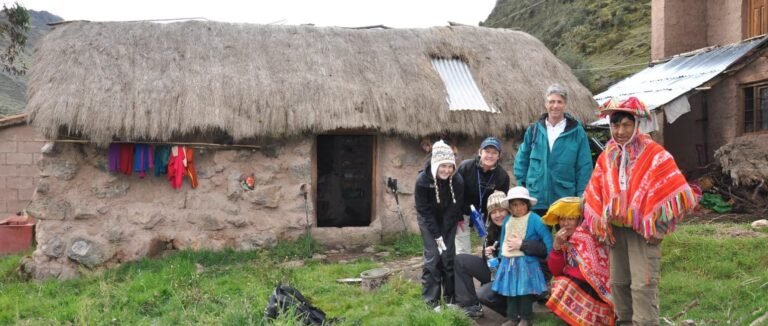
I once joined a weaving workshop in Peru’s Sacred Valley, my fingers fumbling with colorful yarns as a Quechua woman patiently taught me patterns passed down generations. It wasn’t just a craft; it was a window into resilience amid change. Cultural travel invites that depth, making every moment feel alive and connected.
Why Choose Immersive Experiences Over Traditional Tourism?
Traditional tourism often feels like skimming the surface—crowded Eiffel Tower lines, overpriced souvenirs, and that nagging sense you’re missing the soul of the place. Immersive travel, on the other hand, pulls you under, like swimming with locals in a hidden cenote in Mexico’s Yucatan. It’s about authenticity, where you trade the guidebook for genuine interactions that linger long after you leave.
The shift makes sense post-pandemic; surveys show 75% of travelers now crave real cultural dives over superficial visits. I’ve felt it myself—my rushed Paris trip years ago was forgettable, but wandering Istanbul’s back alleys, sharing simit bread with street vendors, sparked a love for the city’s hidden rhythms. Immersive paths build lasting memories and a broader worldview, turning “I went there” into “I lived a piece of it.”
The Evolution of Cultural Tourism
Cultural tourism has grown from niche pilgrimages to a global force, blending heritage with modern wanderlust. It started with grand tours in the 18th century for the elite, but now it’s accessible, fueled by apps and eco-conscious trends. Today, it’s about sustainable immersion, like UNESCO’s push for inclusive sites that honor marginalized histories. This evolution reflects our hunger for meaning in a fast world.
In my travels, I’ve seen it shift—from passive museum stares to hands-on rituals, like pounding fufu in Ghanaian villages. It’s not just tourism; it’s a dialogue that enriches both visitor and host, preserving traditions while sparking joy.
Pros and Cons of Cultural Travel
Cultural travel shines in its depth but isn’t without hurdles. On the upside, it broadens perspectives, boosts local economies through direct support, and promotes empathy—studies link it to increased trust and appreciation across cultures. You’ll return changed, with stories that outlast selfies.
Yet, challenges lurk: higher costs for authentic stays, potential cultural misunderstandings if you’re not mindful, and overtourism straining sites. I once felt out of place in a remote Bhutanese festival, fumbling etiquette—humbling, but a lesson in respect. Balance is key; weigh these against the rewards.
Pros of Cultural Travel
- Deep Personal Growth: Engages all senses, challenging biases and fostering openness. After a month in Vietnam’s hill tribes, I saw my own privileges anew.
- Economic Boost for Locals: Funds community projects, like artisan co-ops in India that empower women.
- Preservation of Heritage: Encourages sustainable practices, keeping traditions alive amid globalization.
- Authentic Connections: Real bonds form, like lifelong friends from a Moroccan cooking class.
Cons of Cultural Travel
- Higher Expenses: Homestays and guides cost more than chain hotels—budget 20-30% extra.
- Cultural Sensitivity Risks: Missteps, like inappropriate photos, can offend; research is essential.
- Logistical Challenges: Off-beaten paths mean bumpy rides and language barriers.
- Environmental Strain: Increased footfall can pollute sacred sites if not managed.
Cultural Travel vs. Traditional Tourism: A Comparison
| Aspect | Cultural Travel | Traditional Tourism |
|---|---|---|
| Focus | Immersion in local life, history, rituals | Iconic sights, relaxation, entertainment |
| Interactions | Deep engagement with communities | Surface-level, often with fellow tourists |
| Pace | Slower, reflective | Fast-paced, checklist-driven |
| Impact | Supports preservation, personal growth | Can lead to overcrowding, cultural dilution |
| Cost | Higher for authentic experiences | Often cheaper packages |
| Memories | Transformative stories | Standard snapshots |
This table highlights the trade-offs. Traditional tourism suits quick getaways, but cultural paths, like my solo trek through Jordan’s Bedouin camps, offer soul-stirring depth. Choose based on your vibe—I’ve blended both for balance.
How to Plan Your Immersive Journey
Planning immersive travel starts with intent: pick destinations rich in heritage, like Japan’s ryokan stays or Ethiopia’s rock-hewn churches. Research via UNESCO’s World Heritage site for authentic spots. Budget for flexibility—aim for 10-20% buffer for spontaneous invites.
Tools make it seamless. I swear by Wanderlog for mapping cultural routes, pulling in local events without the hassle. Set goals: What do you want to learn? A month in advance, book homestays on Airbnb Experiences for insider access. Remember, the best plans leave room for serendipity, like stumbling into a festival in Cusco.
Best Tools for Cultural Travel Planning
From AI wizards to classic apps, these streamline your prep. TripIt auto-builds itineraries from emails, perfect for juggling festivals and flights. For deals, Skyscanner flags error fares to cultural hubs like Marrakech.
- Wanderlog: Free itinerary builder with cultural filters—drag-and-drop temples and markets.
- Culture Trip App: Curates offbeat tours, from Sicilian puppet shows to Korean hanok stays.
- Rome2Rio: Maps multi-modal routes to remote sites, like buses to Bali’s Ubud villages.
- GuideGeek (via Tripadvisor): AI chat for real-time tips, like best times for Kyoto’s geisha districts.
- Utrip: Personalizes plans by interests—input “Indigenous Australia” for tailored outback immersions.
These saved my sanity on a multi-country Southeast Asia loop; no more endless tabs.
Steps to Travel the World Immersively
Step 1: Research and Choose Destinations
Start with places pulsing with culture—think Cuba’s salsa rhythms or Iceland’s sagas. Use Lonely Planet’s cultural guides for depth. Prioritize shoulder seasons to avoid crowds; I timed Morocco for Ramadan’s feasts, dodging peak chaos.
Focus on 3-5 spots per trip for true immersion. Read locals’ blogs for unfiltered vibes—it’s like eavesdropping on the heart of a place.
Step 2: Embrace Local Ways of Living
Ditch the resort; opt for homestays via Worldpackers, trading skills for stays in Thai hill tribes. Eat street food, ride buses— in Hanoi, I biked with vendors, laughing at my wobbly starts. It’s messy, but that’s the magic.
Learn basics: A few phrases open doors. My “salam alaikum” in Jordan turned strangers into storytellers over mint tea.
Step 3: Engage with Communities and Traditions
Join workshops—pottery in Mexico or tea ceremonies in Japan. Volunteer via platforms like Workaway for deeper ties; I planted rice in Vietnam, hands muddy, heart full.
Respect cues: Ask before photos, tip guides fairly. These acts build trust, turning visits into shared joys.
Step 4: Prioritize Sustainable and Respectful Practices
Tread lightly—support eco-tours that fund conservation, like Oman’s turtle watches. Avoid single-use plastics; in Bali, I joined beach cleanups, feeling part of the fix.
Offset carbon with tools like Cool Effect. It’s not perfect, but mindful steps honor the cultures we cherish.
Real-Life Examples of Immersive Experiences
I’ve got stories that still give me chills. In Ethiopia, trekking to Lalibela’s rock churches at dawn, chanting with pilgrims—pure timelessness. Or Cuba: Dancing salsa in Havana’s backyards, sweat-soaked and grinning with neighbors who became friends.
Another gem: Morocco’s Sahara—camping under stars with Berber nomads, sharing tagine and tales of ancient caravans. These weren’t tours; they were lifelines to forgotten worlds, proving immersion trumps itineraries every time.
People Also Ask
Based on common searches, here are answers to frequent questions about cultural and immersive travel.
What are some examples of cultural travel destinations?
Top picks include Kyoto, Japan, for zen gardens and geisha arts; Oaxaca, Mexico, for Day of the Dead rituals; and Bhutan for Himalayan monasteries. These spots blend history with hands-on vibes, like weaving in Peru or festivals in Ethiopia.
How can I travel immersively on a budget?
Opt for house-sitting on TrustedHousesitters or volunteering via Worldpackers—free stays in exchange for light work, like teaching English in Bali. Eat local markets, use public transit; my $50/day in Vietnam covered immersive feasts and homestays.
What is the difference between cultural tourism and mass tourism?
Cultural tourism seeks authentic engagement, like homestays and rituals, while mass tourism chases crowds at landmarks. The former preserves heritage; the latter risks erosion—think Venice’s gondolas vs. a quiet Tuscan farm stay.
How do I avoid being a bad cultural tourist?
Research etiquette (e.g., remove shoes in temples), support locals directly, and say no to exploitative attractions like elephant rides. Listen more than you speak; my faux pas in India taught me humility over haste.
Is cultural travel suitable for families?
Absolutely—kids thrive on it. Try farm stays in Tuscany or storytelling in Ireland. It builds empathy; my nieces adored Morocco’s souks, haggling like pros and learning about spices’ histories.
FAQ
What exactly counts as immersive travel?
It’s fully engaging with a place’s essence—living like locals through food, festivals, and conversations, not just observing. For me, it’s biking Vietnam’s countryside, stopping for pho with farmers, versus hotel buffets.
How long should I stay for true cultural immersion?
Aim for at least a week per spot to shed tourist skin. Shorter works for events, but longer, like my three weeks in Peru, lets routines form and barriers drop.
Are there risks to cultural travel?
Yes, like health in remote areas or cultural clashes—vaccinate, learn basics. But rewards outweigh; preparation turns “what if” into “wow.”
Where can I find ethical cultural tours?
Platforms like G Adventures or Intrepid focus on community-led trips. Check reviews for sustainability; I vetted Morocco guides via Tripadvisor for authentic, non-exploitative vibes.
Can solo travelers do immersive trips safely?
Totally—join group workshops or apps like Couchsurfing for connections. I soloed Japan, using Meetup for tea tastings; safety comes from smarts and community.
There you have it—your roadmap to a world that feels alive under your feet. Whether it’s the call to prayer echoing in Fez or the laughter in a Balinese kitchen, cultural travel isn’t just going; it’s becoming. Pack light, heart open, and go make those stories your own. Safe journeys.