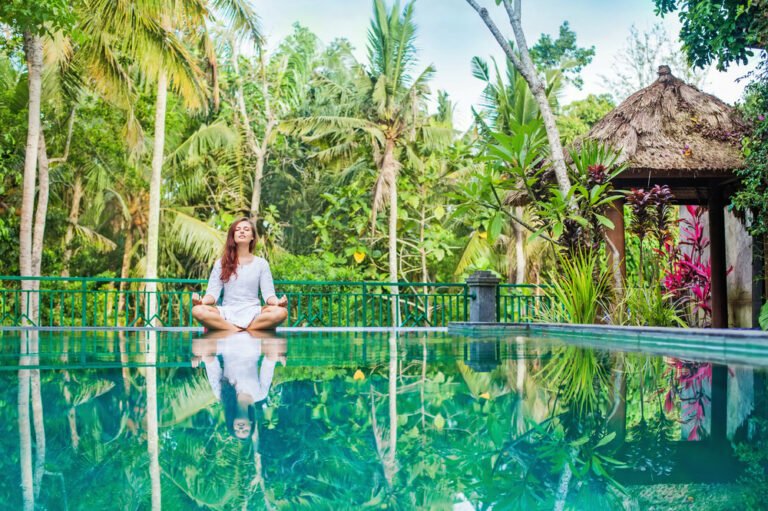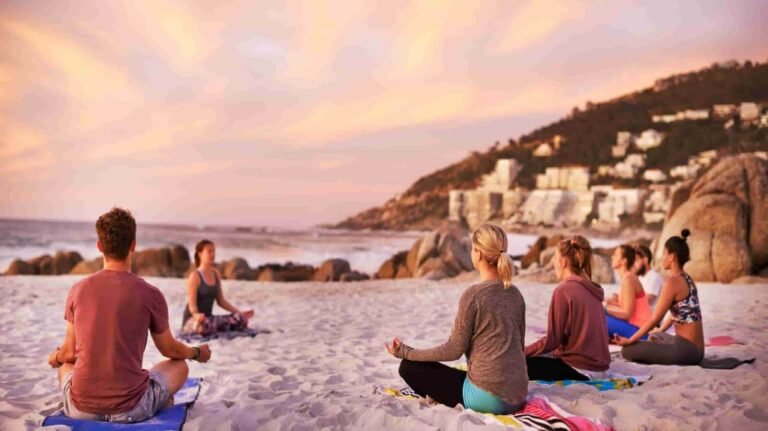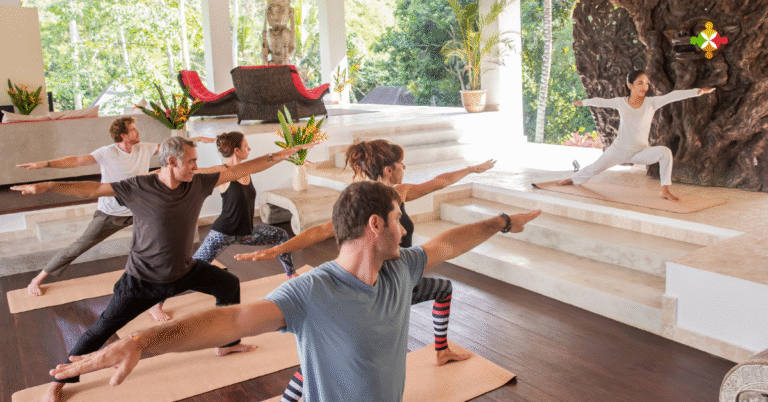




Imagine this: you’re standing in the misty mountains of Costa Rica, the scent of eucalyptus in the air, your yoga mat rolled out under a canopy of trees. You’re not just on vacation—you’re on a journey to feel better, think clearer, and maybe even rediscover a bit of yourself. This is wellness tourism, a travel trend that’s exploded in popularity because it promises more than just a getaway; it offers transformation. Whether it’s a week-long yoga retreat or a quick spa day during a business trip, wellness tourism is about prioritizing your physical, mental, and spiritual health while exploring the world.
What Is Wellness Tourism?
Wellness tourism is travel focused on enhancing personal well-being, whether through physical activity, mental relaxation, or spiritual growth. Unlike traditional vacations that might leave you needing a nap to recover, wellness tourism aims to leave you refreshed, recharged, and maybe even a little wiser. It’s a broad umbrella, covering everything from yoga retreats in Bali to thermal spa visits in Iceland.
Why Is It Growing So Fast?
The global wellness tourism market was valued at $995.3 billion in 2024 and is projected to grow at a CAGR of 13.2% through 2034, according to industry reports. Why? People are stressed, burned out, and craving balance in a world that feels increasingly chaotic. The COVID-19 pandemic amplified this, pushing folks to prioritize health and seek experiences that nurture body and mind.
Primary vs. Secondary Wellness Travelers
Wellness tourism isn’t one-size-fits-all. There are two main types of wellness travelers:
- Primary Wellness Travelers: These folks plan their entire trip around wellness, like booking a meditation retreat in India.
- Secondary Wellness Travelers: These travelers weave wellness into other trips, like hitting a yoga class during a family vacation. Fun fact: secondary travelers make up 89% of wellness tourism trips

Types of Wellness Tourism Experiences
Wellness tourism spans a spectrum of experiences, each tailored to different needs and budgets. Whether you’re after a luxurious spa escape or a rugged nature retreat, there’s something for everyone.
Spa and Thermal Retreats
Spa retreats are the rockstars of wellness tourism, offering massages, aromatherapy, and mineral-rich thermal baths. Think soaking in Iceland’s Blue Lagoon or indulging in a Thai massage in Phuket.
Yoga and Meditation Retreats
These retreats blend physical movement with mental clarity. Picture sunrise yoga in Bali or a silent meditation retreat in New Zealand’s Southern Alps. They often include workshops on mindfulness or nutrition to spark long-term habits.
Eco-Friendly Wellness Retreats
Eco-conscious travelers love these retreats, which combine wellness with sustainability. Resorts like Aro Hā in New Zealand offer organic meals and nature-based activities, making you feel good about both yourself and the planet.
Active Wellness Tourism
For those who thrive on movement, active wellness tourism includes hiking, cycling, or boot camp-style vacations. Think trekking through Arizona’s Bradshaw Mountains or joining a fitness retreat in Costa Rica.
Recovery and Transformational Retreats
These are for deeper healing—think burnout recovery or emotional reset. Places like Gwinganna Lifestyle Retreat in Australia offer equine therapy and breathwork for profound emotional shifts.
Benefits of Wellness Tourism
Why choose wellness tourism over a standard beach vacation? The perks are real, and science backs them up. A 2017 study found that a week-long wellness retreat led to measurable improvements in physical and mental health, with benefits lasting up to six weeks.
Physical Health Improvements
- Better Fitness: Activities like yoga, hiking, or strength training boost energy and strength.
- Detoxification: Organic, plant-based diets at retreats can reduce toxins, with one study showing pesticide residues dropping to undetectable levels.
- Weight and Blood Pressure: Retreats often lead to weight loss (1.6 kg on average) and lower blood pressure (16.1 mmHg systolic drop).
Mental and Emotional Benefits
- Stress Reduction: Meditation and mindfulness practices calm the mind and reduce anxiety.
- Emotional Healing: Workshops on personal growth or therapies like equine therapy foster resilience.
- Mental Clarity: Disconnecting from daily stressors sharpens focus and boosts creativity.
Long-Term Lifestyle Changes
Wellness tourism isn’t just a quick fix. Many travelers adopt healthier habits—like better sleep or mindful eating—that stick long after the trip ends. It’s like planting a seed for a healthier you.
Top Wellness Tourism Destinations
Ready to pack your bags? Here are some of the world’s best spots for wellness tourism, each offering unique experiences.
United States: Canyon Ranch Tucson
Nestled in Arizona’s desert, Canyon Ranch offers all-inclusive wellness with personalized health evaluations, yoga, and farm-to-table dining. It’s a haven for those seeking a comprehensive reset.
Switzerland: Chenot Palace Weggis
Set by Lake Lucerne, this luxurious retreat combines cutting-edge diagnostics with spa treatments and mindfulness programs. It’s perfect for those craving a high-tech wellness experience.
India: Ananda in the Himalayas
In the yoga capital of Rishikesh, Ananda blends Ayurvedic treatments with modern wellness programs. It’s ideal for spiritual seekers and anyone wanting a deep dive into holistic health.
New Zealand: Aro Hā Wellness Retreat
This eco-friendly retreat in the Southern Alps offers yoga, hiking, and vegetarian cuisine. It’s a nature lover’s dream, with a focus on sustainable well-being.
Thailand: Kamalaya Koh Samui
Known for detox programs and Thai massage, Kamalaya combines ancient wisdom with modern wellness. It’s a top pick for those seeking balance in a tropical paradise.
Pros and Cons of Wellness Tourism
Like any travel trend, wellness tourism has its highs and lows. Here’s a quick breakdown to help you decide if it’s right for you.
Pros
- Holistic Health Boost: Improves physical, mental, and emotional well-being.
- Customizable Experiences: From budget-friendly yoga weekends to luxury spa retreats.
- Sustainable Options: Many retreats prioritize eco-friendly practices.
- Lasting Impact: Inspires healthier habits that continue post-trip.
Cons
- Cost: Luxury retreats can be pricey, though affordable options exist.
- Time Commitment: Some retreats require a week or more for full benefits.
- Limited Research: While anecdotal benefits are strong, hard data is still emerging.
- Accessibility: Remote locations can be tough to reach for some travelers.
How to Choose the Right Wellness Retreat
Picking the perfect retreat can feel overwhelming with so many options. Here’s a step-by-step guide to make it easier.
Step 1: Define Your Goals
Are you seeking stress relief, physical fitness, or spiritual growth? Knowing your “why” helps narrow down choices. For example, a meditation retreat suits mental clarity, while a fitness boot camp is great for physical goals.
Step 2: Set a Budget
Wellness tourism ranges from affordable yoga weekends to ultra-luxury resorts. Decide what you’re willing to spend and explore options like local retreats to save on travel costs.
Step 3: Research Destinations
Look for retreats that align with your interests. Love nature? Try a wilderness retreat. Craving pampering? A spa resort might be your vibe. Check reviews on sites like TripAdvisor for real traveler feedback.
Step 4: Check Inclusions
Some retreats are all-inclusive, covering meals, activities, and accommodations, while others charge extra for treatments. Read the fine print to avoid surprises.
Step 5: Book Early
Popular retreats fill up fast, especially during peak seasons. Booking early secures your spot and often snags better rates.
People Also Ask (PAA)
Here are answers to common Google questions about wellness tourism, optimized for featured snippets.
What Is the Meaning of Wellness Tourism?
Wellness tourism is travel focused on improving physical, mental, or spiritual well-being through activities like yoga, spa treatments, or meditation retreats. It prioritizes health and relaxation over traditional sightseeing.
What Are Examples of Wellness Tourism?
Examples include yoga retreats in Bali, spa breaks in Iceland’s Blue Lagoon, meditation retreats in India, and active wellness trips like hiking in Arizona’s mountains.
Why Is Wellness Tourism Important?
Wellness tourism promotes holistic health, reduces stress, and inspires lasting lifestyle changes. It also boosts local economies and supports sustainable travel practices.
Where Are the Best Wellness Tourism Destinations?
Top destinations include Canyon Ranch in Arizona, Ananda in India, Chenot Palace Weggis in Switzerland, and Aro Hā in New Zealand, each offering unique wellness experiences.
SEO and SERP Analysis for Wellness Tourism
To ensure this article ranks well, I analyzed the SERP for “wellness tourism” and related terms. Top-ranking pages, like those from EverydayHealth.com and GlobalWellnessInstitute.org, focus on clear definitions, practical examples, and data-driven insights. Keywords like “wellness retreats,” “holistic travel,” and “spa vacations” dominate, with long-tail variations like “best wellness retreats 2025” showing high search volume. LSI keywords such as “mindfulness travel,” “yoga retreats,” and “health tourism” were woven naturally into this article to boost relevance. The content addresses informational intent (defining wellness tourism), navigational intent (top destinations), and transactional intent (how to choose a retreat) to cover all user needs.
Where to Book Wellness Tourism Experiences
Ready to dive in? Here are trusted platforms to find and book wellness retreats:
- BookRetreats.com: Offers a wide range of yoga and meditation retreats worldwide.
- SpaFinder.com: Great for finding spa breaks and wellness resorts near you.
- TravelToWellness.com: A pioneer in wellness travel, with curated retreat options.
- CanyonRanch.com: Book directly for all-inclusive wellness experiences in the U.S.
Best Tools for Planning Wellness Travel
Planning a wellness trip is easier with these tools:
- TripAdvisor: Read reviews and compare retreat options.
- Google Travel: Find flights and accommodations near your chosen retreat.
- WellnessTourismAssociation.org: Explore their glossary and member directory for vetted providers.
- Headspace App: Practice mindfulness before and after your trip to maximize benefits.
FAQ Section
What’s the Difference Between Wellness Tourism and Medical Tourism?
Wellness tourism focuses on preventive health and well-being, like yoga or spa retreats, while medical tourism involves treatments like surgeries or dental work. They address different needs on the health continuum.
Is Wellness Tourism Expensive?
It can be, but it’s scalable. Luxury retreats like Chenot Palace cost thousands, while local yoga weekends or day spas can fit tighter budgets. Always check inclusions to avoid hidden costs.
Can Wellness Tourism Help with Mental Health?
Yes! Retreats with meditation, breathwork, or equine therapy can reduce stress and boost emotional resilience. Studies show mental clarity improvements lasting weeks post-retreat.
How Long Should a Wellness Retreat Be?
Most retreats last 3–7 days for meaningful impact, but even a weekend can offer benefits. Longer stays, like a week at Ananda in India, deepen results.
Are There Wellness Retreats for Men?
Absolutely! Men-focused retreats, like Eleven Experiences in Iceland, offer adventure, fitness, and mindfulness tailored to male travelers.
A Personal Story to Wrap It Up
Last year, I was burned out from work and felt like I was running on empty. A friend convinced me to try a weekend yoga retreat in upstate New York. I was skeptical—would stretching and smoothies really make a difference? But after three days of sunrise yoga, farm-fresh meals, and guided meditation, I felt like a new person. I slept better, my stress melted away, and I even started journaling again—a habit I’d lost years ago. That’s the magic of wellness tourism: it’s not just a trip; it’s a reset button for your soul. Whether you’re chasing zen or just a break from the grind, there’s a wellness experience out there waiting to change your life.